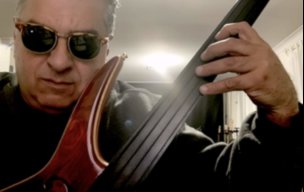
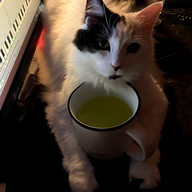
well if somebody is looking for a cat with a coffee table for bass ...the gig is yours for sure, not mine.
Unless your name is Anthony Jackson, nobody wants to hear that crap.
Gotta love the safe space.

Last edited:

TalkBass has been independent since 1998. Add your voice.
Create a free account to reply to discussions, view embedded media, and browse with fewer display ads.
Join free Log in
Want zero display ads or expanded classifieds tools? Compare plans.
well if somebody is looking for a cat with a coffee table for bass ...the gig is yours for sure, not mine.
Unless your name is Anthony Jackson, nobody wants to hear that crap.


What?Because in general the drum kick is on the 1 and a bass silence in the 1 is very odd.
So, naturally they lock from the begining..


It still amazes me how there are people who have played like for 5 decades and have zero awareness of what's really happening or have any capability for self-evaluation.I know for a fact that it is me locking in with our drummer because :-
a) He is half deaf.
b) He recently admitted that he had been listening to the rehearsal recordings and had noticed it.
I pointed out that as well as locking in with his kick I also left a gap in some songs for his snare. This came as a complete surprise to him. (He has only been gigging since 1964 and was pro for 7 years.)
Fortunately he is a pretty dependable drummer so I have no problem locking in with him.
But its still on the downbeat. Just the same..
This bassline isn't locked with the kick. It's syncopated in a completely different rhythm. It's pretty obvious too as it starts every phrase of the "e" of the 1.But its still on the downbeat. Just the same..
I don't think I have heard many bass parts that are strictly locked to the kick drum. They would be pretty bizarre sounding bass parts.
This bassline isn't locked with the kick. It's syncopated in a completely different rhythm. It's pretty obvious too as it starts every phrase of the "e" of the 1.
This bassline isn't locked with the kick.
Hmmm. Well the bass is definitely landing on the 3. But I'm hearing the kick on the 2 and 4. I get that any rhythm can vary, but if you're using this song as an example of the bass and kick locking in, I don't get it.As I've mentioned previously, Reggae beats often have an emphasis on beat 3 of the bar.
In "One drop", the bass (most probably always) accentuates Beat 3 along with the drum kick.
View attachment 3540613
Hmmm. Well the bass is definitely landing on the 3. But I'm hearing the kick on the 2 and 4. I get that any rhythm can vary, but if you're using this song as an example of the bass and kick locking in, I don't get it.
Because in general the drum kick is on the 1 and a bass silence in the 1 is very odd.
So, naturally they lock from the begining..
Looks like someones droppin' some knowledge up in here!As I've mentioned previously, Reggae beats often have an emphasis on beat 3 of the bar.
In "One drop", the bass (most probably always) accentuates Beat 3 along with the drum kick.
View attachment 3540613


That’s why the sentence starts with “I think” . It’s my opinion which could be right or wrong.Either can be the defining part of the song... so why would the other be more important?
The need to oversimplify this in this thread is a trip. Edicts are laid down when in fact the overriding truth still is...
it depends.

Ask your drummer to play any rhythm but omit the snare and you’ll see what I mean.