I live in NC and we are in a severe drought and have probably been since February. They aren’t expecting any real relief until July. Can these conditions make a bass neck move significantly? Our weather in NC is usually considered mild as far as our winters go. Summers are hot and muggy. We have what’s called false spring sometimes. This past winter we got a decent snowstorm but other than that, our winter was fairly dry. The basses are stored in a room that is kept around 75 degrees year around. No humidifier or anything like that.

Enjoy the benefits of a premium membership!
Upgrade Account
-
TalkBass has been independent since 1998. Add your voice.
Create a free account to reply to discussions, view embedded media, and browse with fewer display ads.
Join free Log in
Want zero display ads or expanded classifieds tools? Compare plans.
You are using an out of date browser. It may not display this or other websites correctly.
You should upgrade or use an alternative browser.
You should upgrade or use an alternative browser.
Will a severe drought affect my bass neck
- Thread starter Cory rich40
- Start date
More options
Who Replied?


What is your normal humidity?I live in NC and we are in a severe drought and have probably been since February. They aren’t expecting any real relief until July. Can these conditions make a bass neck move significantly? Our weather in NC is usually considered mild as far as our winters go. Summers are hot and muggy. We have what’s called false spring sometimes. This past winter we got a decent snowstorm but other than that, our winter was fairly dry. The basses are stored in a room that is kept around 75 degrees year around. No humidifier or anything like that.
I live at the base of the mountains in southern Colorado
Sometimes I don’t see above single digit humidity for a week at a time

I'm also in North Carolina. The weather changes here are nothing like when I lived in southern Michigan. It's the changes in ambient humidity and temperature that make a neck move, rather than a relatively constant dry atmosphere.
It's hotter and drier in Arizona and New Mexico than it can ever be here and there are plenty of guitars that survive just fine. I wouldn't worry overly much about it if you believe you're taking reasonably good care of what you have.
It's hotter and drier in Arizona and New Mexico than it can ever be here and there are plenty of guitars that survive just fine. I wouldn't worry overly much about it if you believe you're taking reasonably good care of what you have.

Parts of Oklahoma have been in the severe drought category for months. But the humidity isn't abnormal. Humidity and lack of rain don't really coincide. Humidity could affect a neck. Lack of rain no.
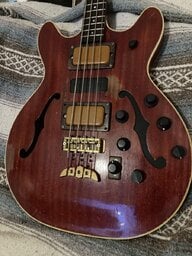
edwinhurwitz
Supporting Member
I've played my basses is every kind of weather you could imagine and they've traveled in a not climate controlled trailer. From playing in a blizzard in the mid 20s F to 115º in the desert to swampy conditions in the south and everything in between. Only one of my basses ever needed a truss rod tweak when going from one extreme to the other, but it's a fretless with a thin neck, so it was really just a case of tuning the mwah effectively. On a fretted, I probably wouldn't have bothered.

Not really. I am just below you. When the seasons change I will put a quarter turn on my neck pocket screws. Usually they don't need it though.

I live in south Texas and we always have a ton of humidity from spring until early winter, so I have to use a dehumidifier. When the humidity drops (from those wonderful cold fronts), I use a humidifier. I keep all my basses in one room and the humidity between 40-53ish. Get a humidifier and or dehumidifier and shoot for the same as mine, and your basses will be fine.

This definitely isn’t the best way to go about it but I used to stress about room climate a lot.
And then I went on my honeymoon and accidentally left my bass in my truck for about two and a half weeks (it was during a cold February too) . I of course didn’t realize this until I got back, rushed to my bass, ripped it out of the gig bag and… it was totally fine.
I think bass guitars (especially the newer ones with dual reinforced truss rods, graphite reinforced , all variations of reinforced) are much more sturdy than we think.
So while my comment doesn’t answer your question, I thought maybe telling you my story might help in some way.
And then I went on my honeymoon and accidentally left my bass in my truck for about two and a half weeks (it was during a cold February too) . I of course didn’t realize this until I got back, rushed to my bass, ripped it out of the gig bag and… it was totally fine.
I think bass guitars (especially the newer ones with dual reinforced truss rods, graphite reinforced , all variations of reinforced) are much more sturdy than we think.
So while my comment doesn’t answer your question, I thought maybe telling you my story might help in some way.

EdwardofHuncote
I Still Dream of Jeannie
- Aug 21, 2013
- 6,654
- 2
- 16,425
- Disclosures
- I privately own and operate a local musical instument repair shop.
Your bass won't react to the amount of local rainfall here. If anything it will respond to the high humidity in Carolina and need a slight truss-rod adjustment. I'm just a bit north of you in Virginia where we're also in a rainfall deficit. The relative humidity in my house this moment is 45%. Perfect for acoustic guitars, and bass guitar necks are completely stable. In winter when that rh drops to below 40%, I run room humidifiers. If it gets drier than that, I put instruments in cases with humidifier boxes. A simple plastic box with a damp sponge is fine. And dirt cheap.
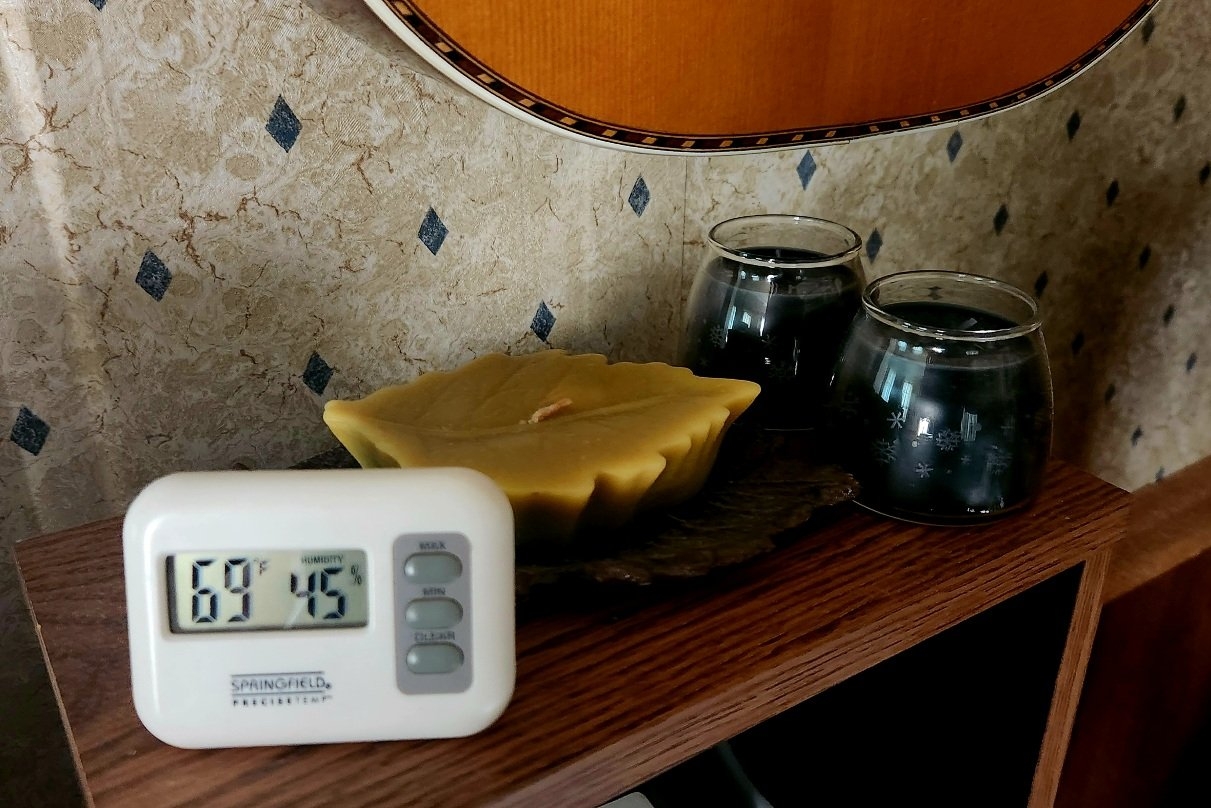
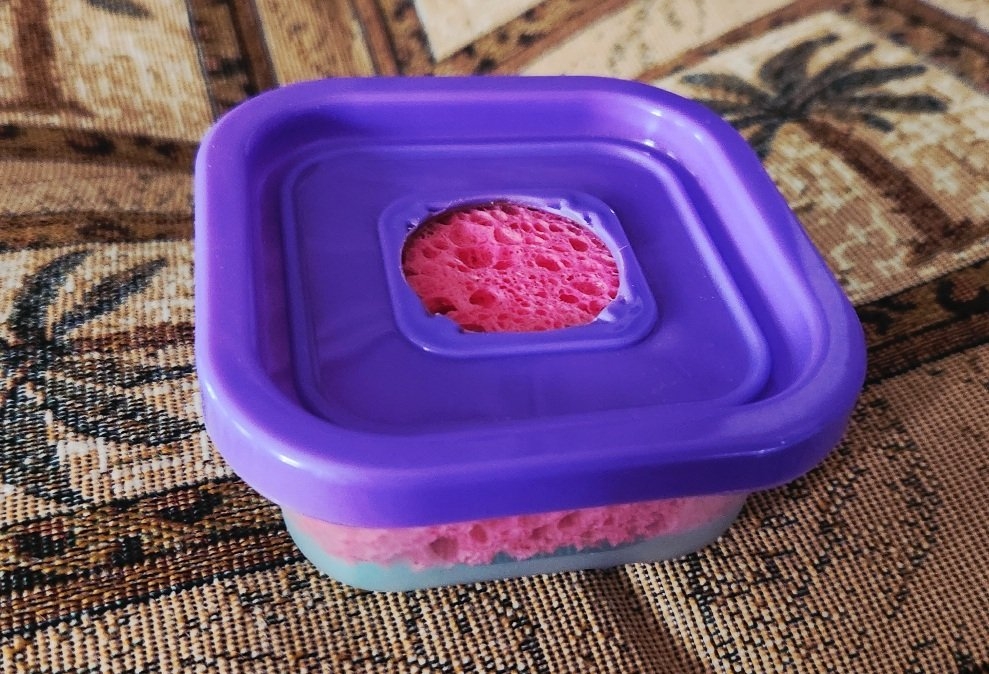
I DO NOT USE CHEMICAL MEANS. I know a lotta' people do. Not me. I've seen what happens when they leak.
I DO NOT USE CHEMICAL MEANS. I know a lotta' people do. Not me. I've seen what happens when they leak.

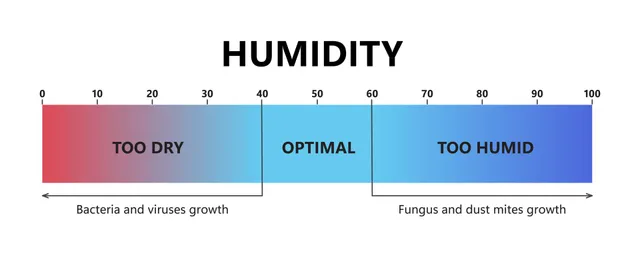
If possible, humidity level around 40% to 60%.
I live in Central Ohio, about 700 ft above sea level. We are humid pretty much all year round.
Our AC in the summer and humidifier in the furnace for winter keep the house around 50%.
Proper humidity level is not only good for basses and anything made of wood but also our health.
I live in Central Ohio, about 700 ft above sea level. We are humid pretty much all year round.
Our AC in the summer and humidifier in the furnace for winter keep the house around 50%.
Proper humidity level is not only good for basses and anything made of wood but also our health.

JazznFunk
Supporting Member
Sounds like you're talking about Western NC where I am. It's an issue only if your house is equally dry (or extremely humid) on the inside. Buy a humidifier to bump up the humidity in the really dry periods, and get a digital hygrometer for your studio or space where you keep your instruments. Your neck will likely be fine, but it's a good idea to always keep an eye on the humidity in your house anyway for the health of yourself and your instruments - and home. If your home is super humid, that's not good either, and you may need to get some dehumidifier aids. We had to do that in the home I grew up in. It's a wonder we didn't have major mold issues.
If your neck is moving around that much because of a change in indoor humidity, then the neck is not stable, period. The humidity in my house usually stays between 40 and 50% without any major intervention.
Right now, with this drought, everyone's major worry even where we are is fire. We've been under a Red Flag Warning for at least a month and there's no significant rainfall in sight.
If your neck is moving around that much because of a change in indoor humidity, then the neck is not stable, period. The humidity in my house usually stays between 40 and 50% without any major intervention.
Right now, with this drought, everyone's major worry even where we are is fire. We've been under a Red Flag Warning for at least a month and there's no significant rainfall in sight.
Last edited:

Here is the answer. I live in Virginia right at the NC border. Same drought conditions here and all my necks have needed seasonal adjustments but nothing remotely abnormal. I typically need to tweak them early Spring and late Fall and that’s it. Same this year.Parts of Oklahoma have been in the severe drought category for months. But the humidity isn't abnormal. Humidity and lack of rain don't really coincide. Humidity could affect a neck. Lack of rain no.

If your instrument has a natural finish, just keep it waxed and fingerboard oiled as needed.
Not much you can do about poly coated instruments, I don't see any way to penetrate the plastic to moisturize it.
Not much you can do about poly coated instruments, I don't see any way to penetrate the plastic to moisturize it.

Depends on your bass. Some necks move more than others.
My main bass moves quite a bit. I just keep an allen wrench handy and adjust it whenever needed. It takes me less than 5 minutes.
My main bass moves quite a bit. I just keep an allen wrench handy and adjust it whenever needed. It takes me less than 5 minutes.
JazznFunk
Supporting Member
If your instrument has a natural finish, just keep it waxed and fingerboard oiled as needed.
Not much you can do about poly coated instruments, I don't see any way to penetrate the plastic to moisturize it.
Poly coated instruments, assuming there are no cracks or major chunks in the finish down to the wood, should be pretty impervious to moisture. They're effectively sealed.

It depends on the bass/neck in question, as they all vary somewhat from piece to piece.
In general, probably not. Solid body instruments are generally planks with baseball bats for necks, but there will always be a handful that are weather-sensitive. The only way to know is to monitor them.
I'd worry a lot more if I had a lot of acoustic instruments to see after: Being lightweight enough to work as unplugged instruments can be a lot more sensitive to weather and/or humidity changes, or going from central heat over the fall and winter to central AC in the spring and summer.
In general, probably not. Solid body instruments are generally planks with baseball bats for necks, but there will always be a handful that are weather-sensitive. The only way to know is to monitor them.
I'd worry a lot more if I had a lot of acoustic instruments to see after: Being lightweight enough to work as unplugged instruments can be a lot more sensitive to weather and/or humidity changes, or going from central heat over the fall and winter to central AC in the spring and summer.

I have played a lot of outdoor gigs in Florida weather. If you tune my natural finish bass indoors in AC and step out into humid hotter weather, it is guaranteed to be out of tune immediately. I have a poly coated Ibanez that rarely ever seems to be affected the same way. It holds tune for months. With both of them, I keep up with oiling the neck and the natural finish bass gets it all over. I have never looked into waxing, but probably will now.
I have built furniture and restored old pieces. The older stuff seems to suffer most from decades of neglect, where pieces that were maintained hold up much better. There is a lesson there. One friend ended up getting an acoustic 6 string that had probably been ignored for 30 plus years. In looking at it, we talked about cleaning it up, etc, and we came to the conclusion to oil the neck lightly in stages. I was concerned that going from very dry to saturated immediately could cause issues. It seems to be the right call, and came out well, very playable.
I have built furniture and restored old pieces. The older stuff seems to suffer most from decades of neglect, where pieces that were maintained hold up much better. There is a lesson there. One friend ended up getting an acoustic 6 string that had probably been ignored for 30 plus years. In looking at it, we talked about cleaning it up, etc, and we came to the conclusion to oil the neck lightly in stages. I was concerned that going from very dry to saturated immediately could cause issues. It seems to be the right call, and came out well, very playable.


