You on Vox or samples??
How did you get the bass sound pitched higher?
You should know better than to ask a man about his samples

There's a "sparkle" reverb engine on the Empress Reverb doing that.

TalkBass has been independent since 1998. Add your voice.
Create a free account to reply to discussions, view embedded media, and browse with fewer display ads.
Join free Log in
Want zero display ads or expanded classifieds tools? Compare plans.
You on Vox or samples??
How did you get the bass sound pitched higher?

Ok....how the heck can a reverb pedal do that.....wow....????You should know better than to ask a man about his samples
There's a "sparkle" reverb engine on the Empress Reverb doing that.
Ok....how the heck can a reverb pedal do that.....wow....????
I’ll go scratch sandpaper on a sheet of metal with a contact mic in meantime.....
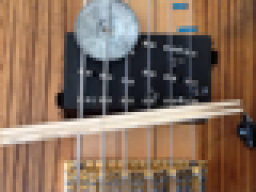
is the bass strung high G or high C? sounds like the actual notes are higher than the middle range of the instrument.

5 String Spector > Duncan Comp > DA120 > Zoia + expression pedal > Empress Echo > Empress Reverb
That dark sound around 1:28 sounds like a blaster beam, which is that cool sound in the V'ger theme in Star Trek: The Motion Picture. I've always loved that sound.

That's wild!
Super secret sauce technique, already figured out and used elsewhere. Well. Back to the drawing board
In case you're wondering, the blaster beam was invented and used by Craig Huxley and is an 18 foot long piece of aluminum with what looks like piano strings on it. Huxley used it on the Star Trek soundtrack and has used in film scores here and there ever since. This guy built one for himself and demonstrates it here. I LOVE this thing:
In case you're wondering, the blaster beam was invented and used by Craig Huxley and is an 18 foot long piece of aluminum with what looks like piano strings on it. Huxley used it on the Star Trek soundtrack and has used in film scores here and there ever since. This guy built one for himself and demonstrates it here. I LOVE this thing:


In case you're wondering, the blaster beam was invented and used by Craig Huxley and is an 18 foot long piece of aluminum with what looks like piano strings on it. Huxley used it on the Star Trek soundtrack and has used in film scores here and there ever since. This guy built one for himself and demonstrates it here. I LOVE this thing:

5 String Spector > Duncan Comp > DA120 > Zoia + expression pedal > Empress Echo > Empress Reverb
That might be my favorite thing you’ve ever posted here. Sounds terrific!

5 String Spector > Duncan Comp > DA120 > Zoia + expression pedal > Empress Echo > Empress Reverb
Very nice! I'd also say it's my favorite thing you posted here.
It took me a long time to get my pedalboard sounds to the point where i wasn't continually wishing I was doing it with a synth. Once you get there, the magic really starts, though.Thanks!
I really enjoyed working on it. It’s the kind of thing I wanted to achieve back when I was in my live “dark ambient” project. I used all synths for that, but had been searching for the right sound on bass, so I could incorporate bass in the performances.
It took me a long time to get my pedalboard sounds to the point where i wasn't continually wishing I was doing it with a synth. Once you get there, the magic really starts, though.
I had been thinking a lot about EQ, compression, and envelopes last week. It got me to make some adjustments to my usual settings. I also was chatting with a guitarist friend about how often the sounds that record and work well are "garbage" tones. I thought, well the distortion in my Zoia sounds like garbage, let's do something with that...