
Enjoy the benefits of a premium membership!
Upgrade Account
-
TalkBass has been independent since 1998. Add your voice.
Create a free account to reply to discussions, view embedded media, and browse with fewer display ads.
Join free Log in
Want zero display ads or expanded classifieds tools? Compare plans.
You are using an out of date browser. It may not display this or other websites correctly.
You should upgrade or use an alternative browser.
You should upgrade or use an alternative browser.
Anyone here into old cars?
- Thread starter 7dollarbologna
- Start date
More options
Who Replied?


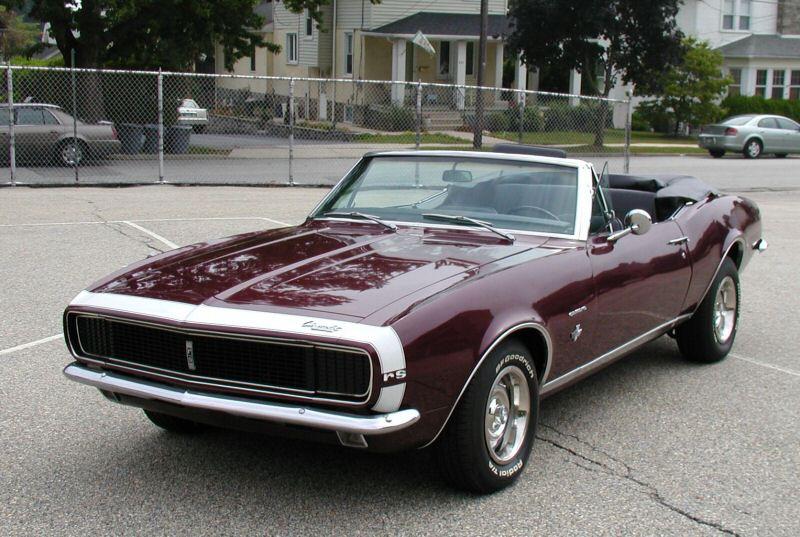
Beautiful Car! I take that one just as it is.I write classic car insurance policies. On Monday, I wrote a policy on a 1967 Camaro RS that looks just like this one.

This 1954 Rolls Royce Silver Wraith, is the only one built. The body was done by Alfredo Vignale Coachworks in Italy, for a man in New York.
Fun fact, it has a toilet under the rear seat.

On Monday, I wrote a policy on a 1967 Camaro RS that looks just like this one.
The 67 Camaro was the first Chevy production car to get the 350. That was the first of the large journal small blocks, and all the other cars had to wait until 1968.


That is fun!This 1954 Rolls Royce Silver Wraith, is the only one built. The body was done by Alfredo Vignale Coachworks in Italy, for a man in New York.
Fun fact, it has a toilet under the rear seat.
View attachment 777898

- Dec 21, 2007
- 15,233
- 45,120
- Disclosures
- Lark in the Morning Instructional Videos; Audix Microphones
I'm glad someone posted what that car was. With a lot of the museum posts, there's no description, so it becomes unknown functional art.
Call me a philistine, but I like to know what they are.
Call me a philistine, but I like to know what they are.
@S-Bigbottom
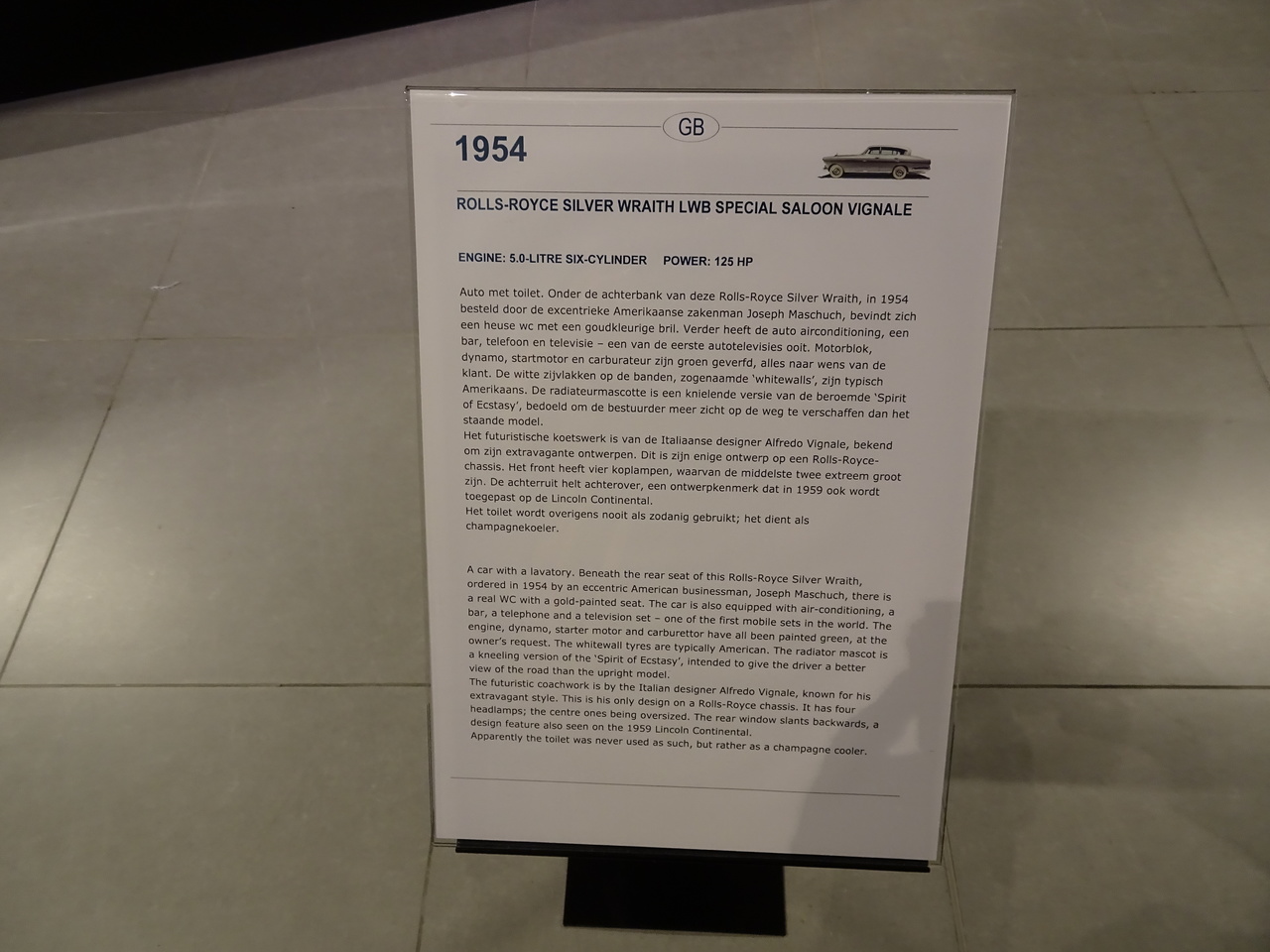
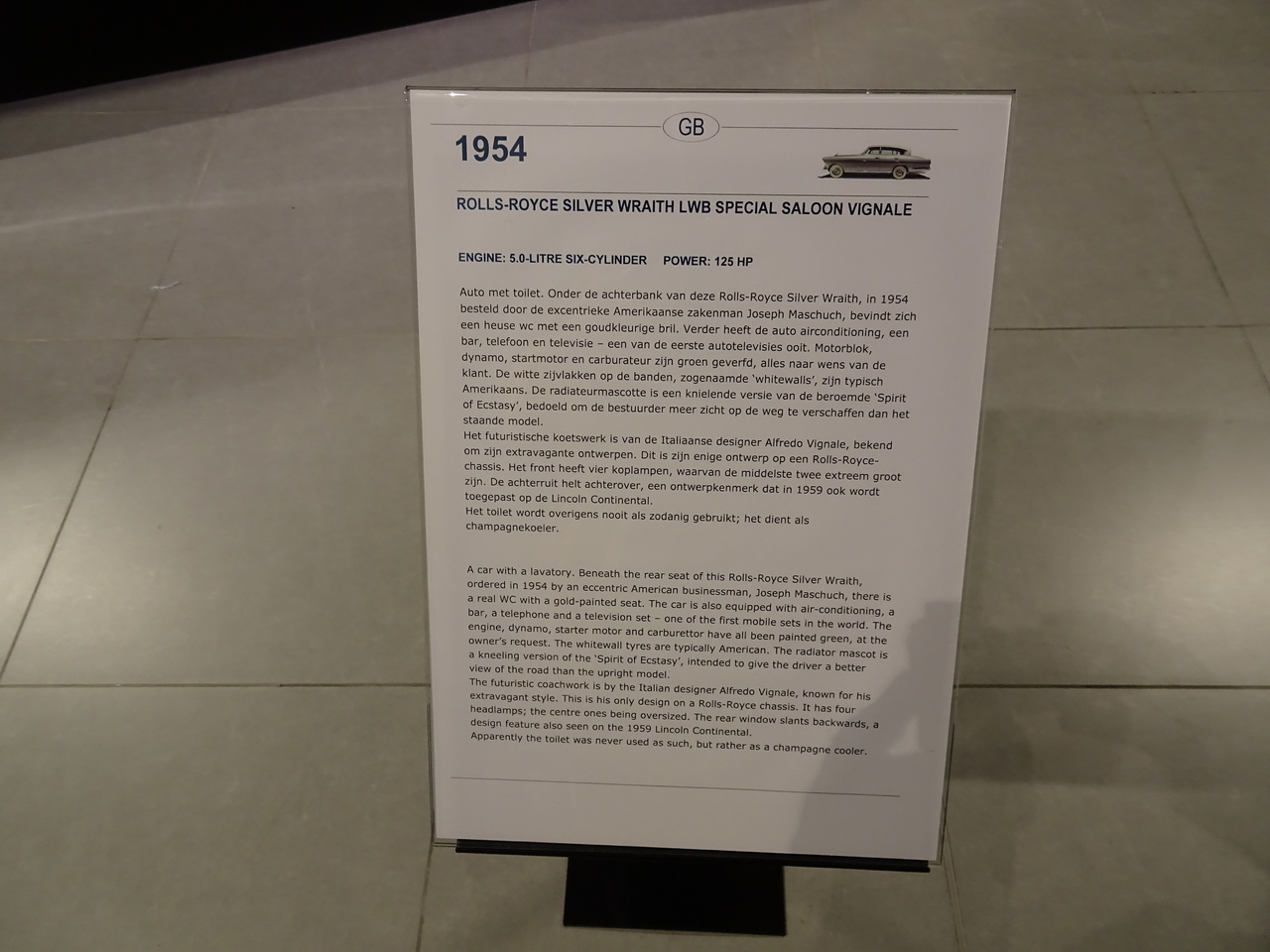
You are completley right! I also made a photo of the information about this car:
 ']
']
 [/URL]
You are completley right! I also made a photo of the information about this car:


The 67 Camaro was the first Chevy production car to get the 350. That was the first of the large journal small blocks, and all the other cars had to wait until 1968.
In addition to the new 350, the 302 and some of the 327's in 67 must have also been large journal cranks, because they shared the same casting number block, 3892657.
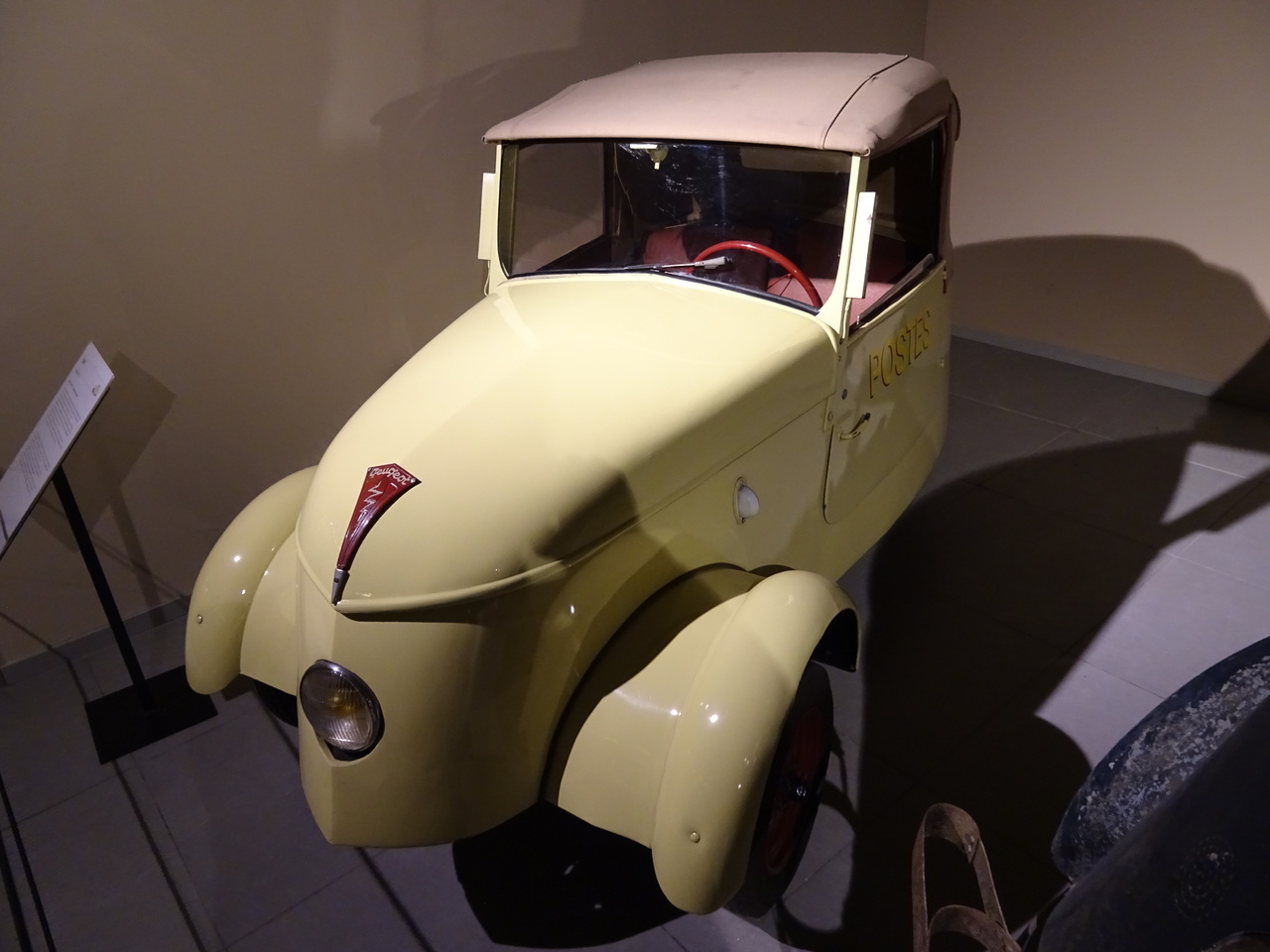
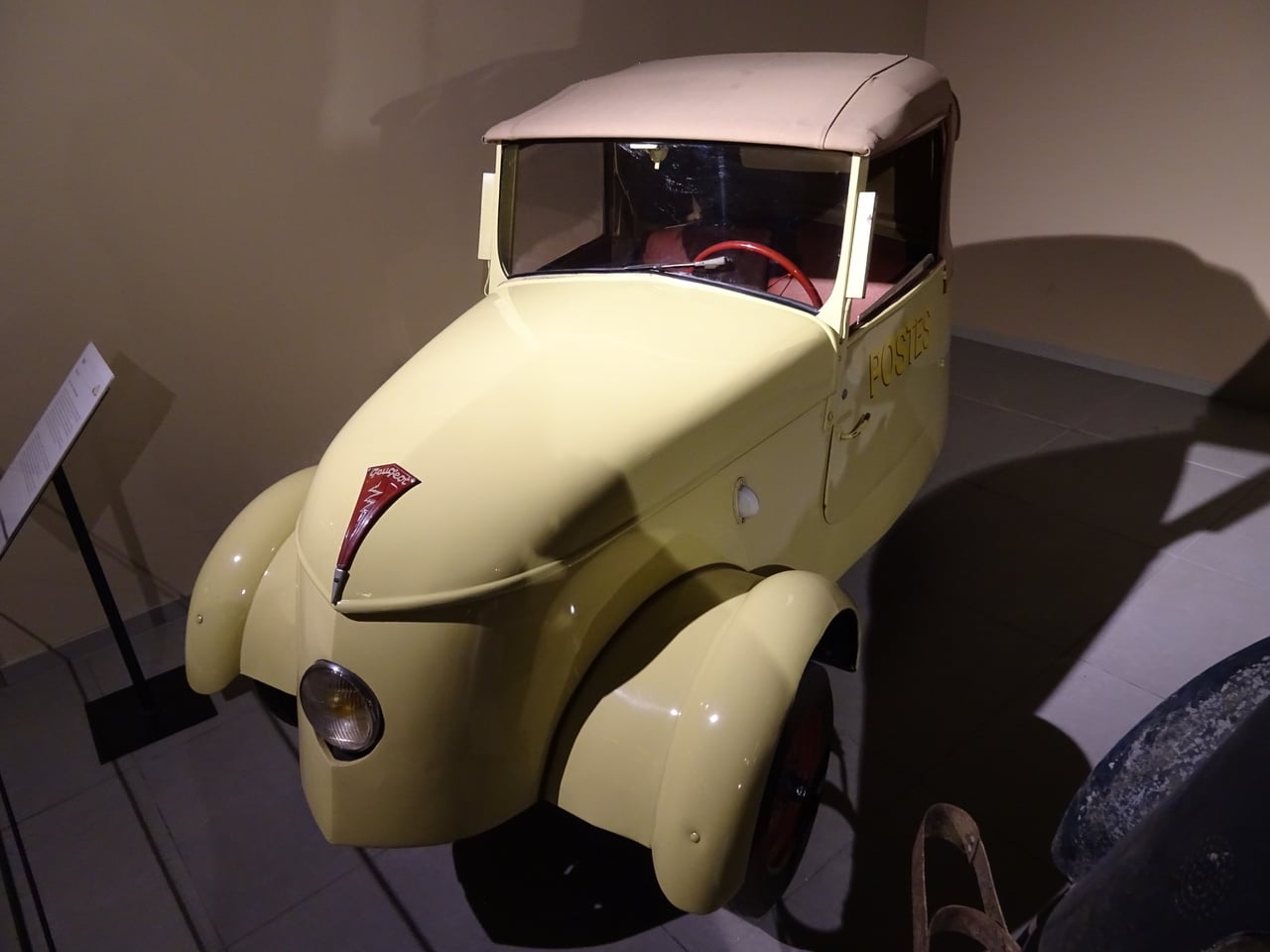
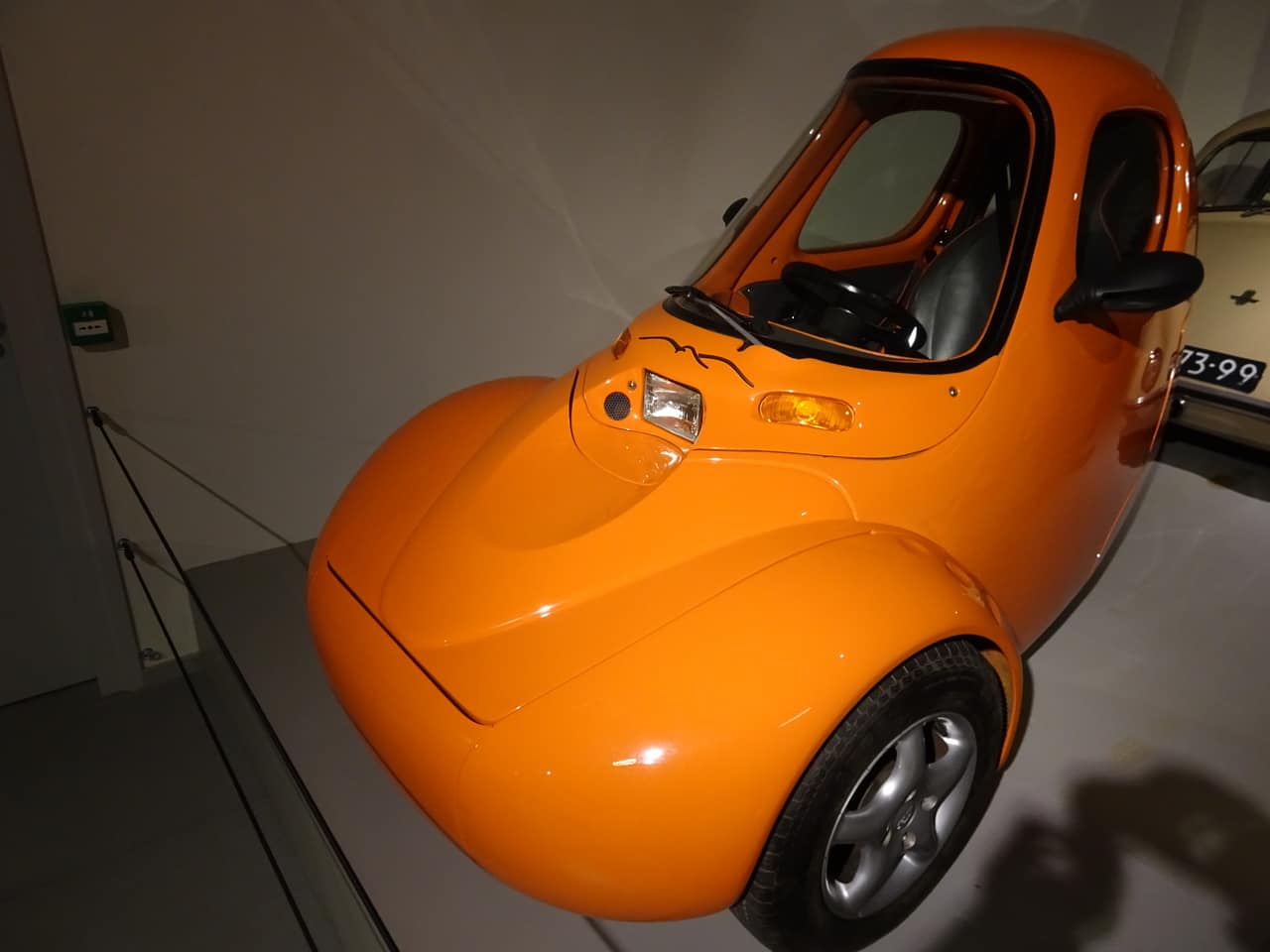
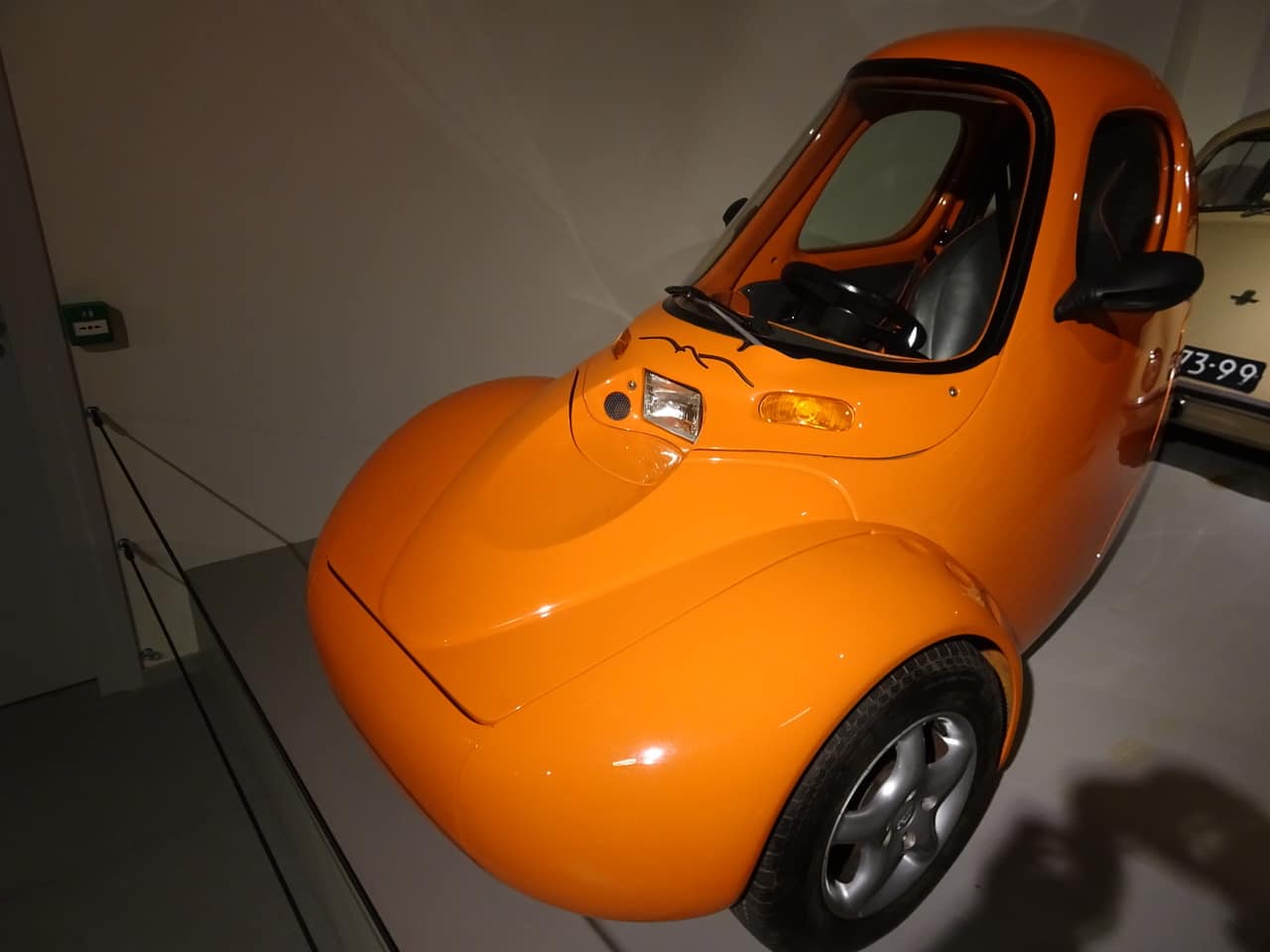
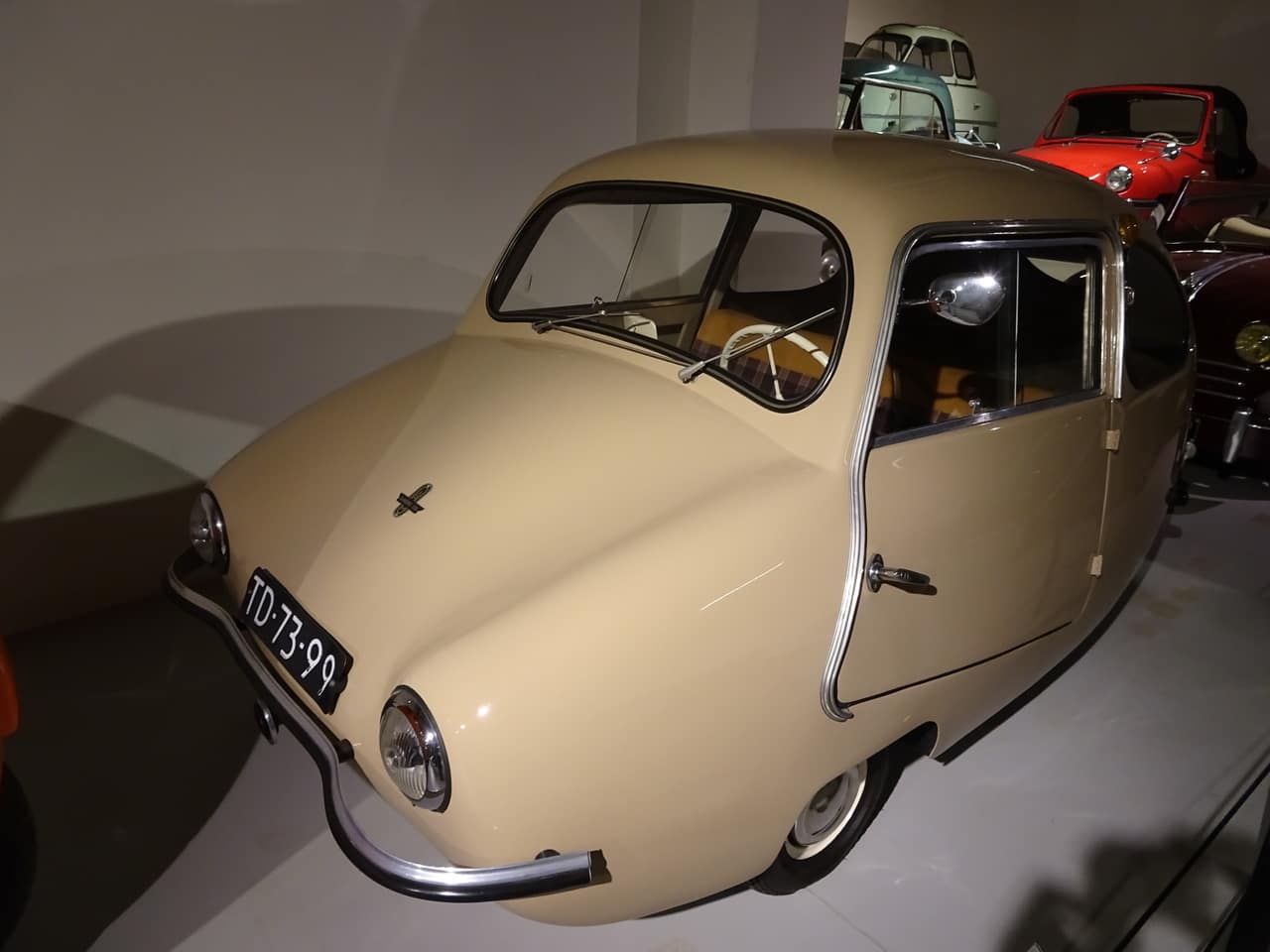
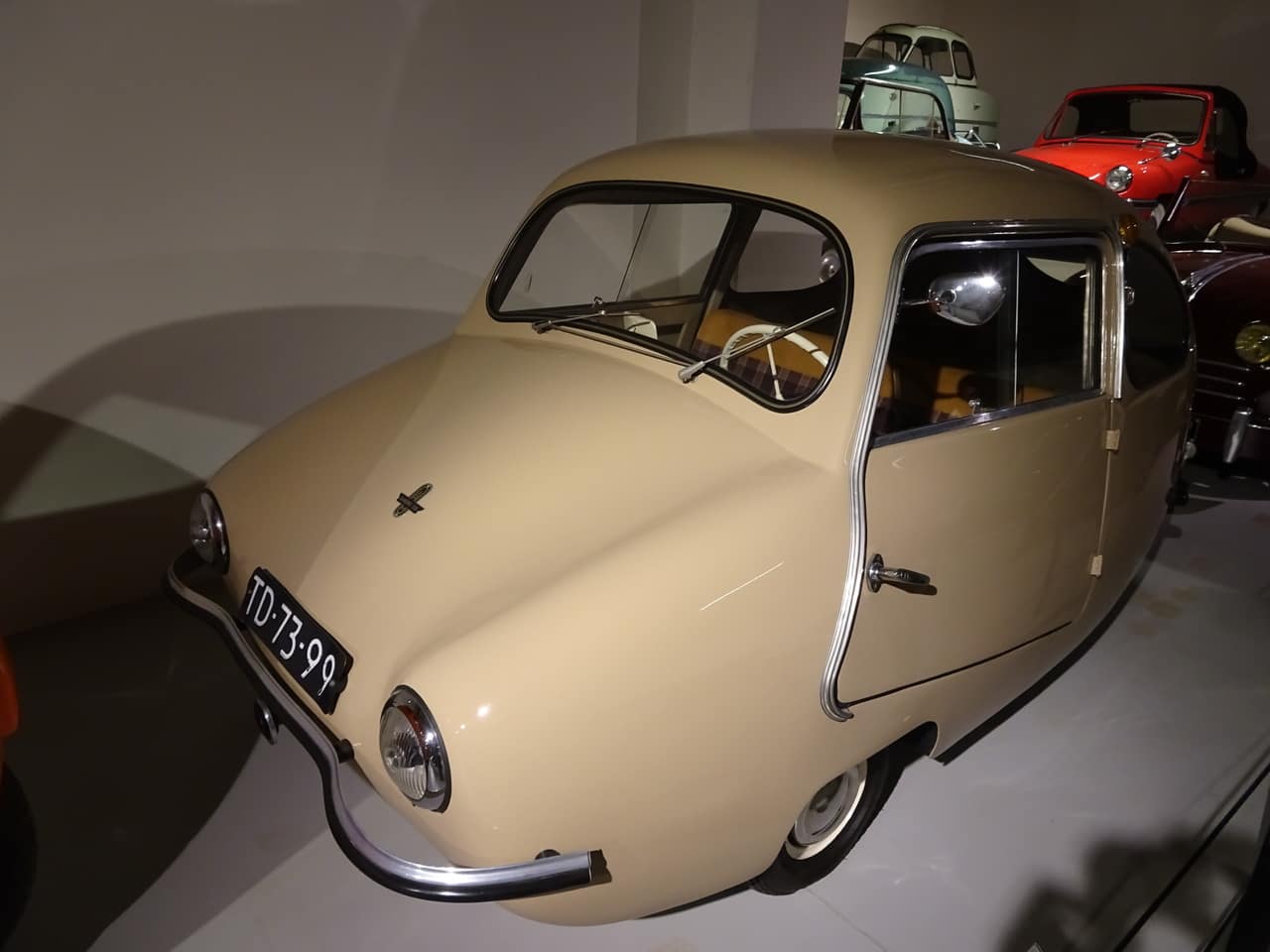
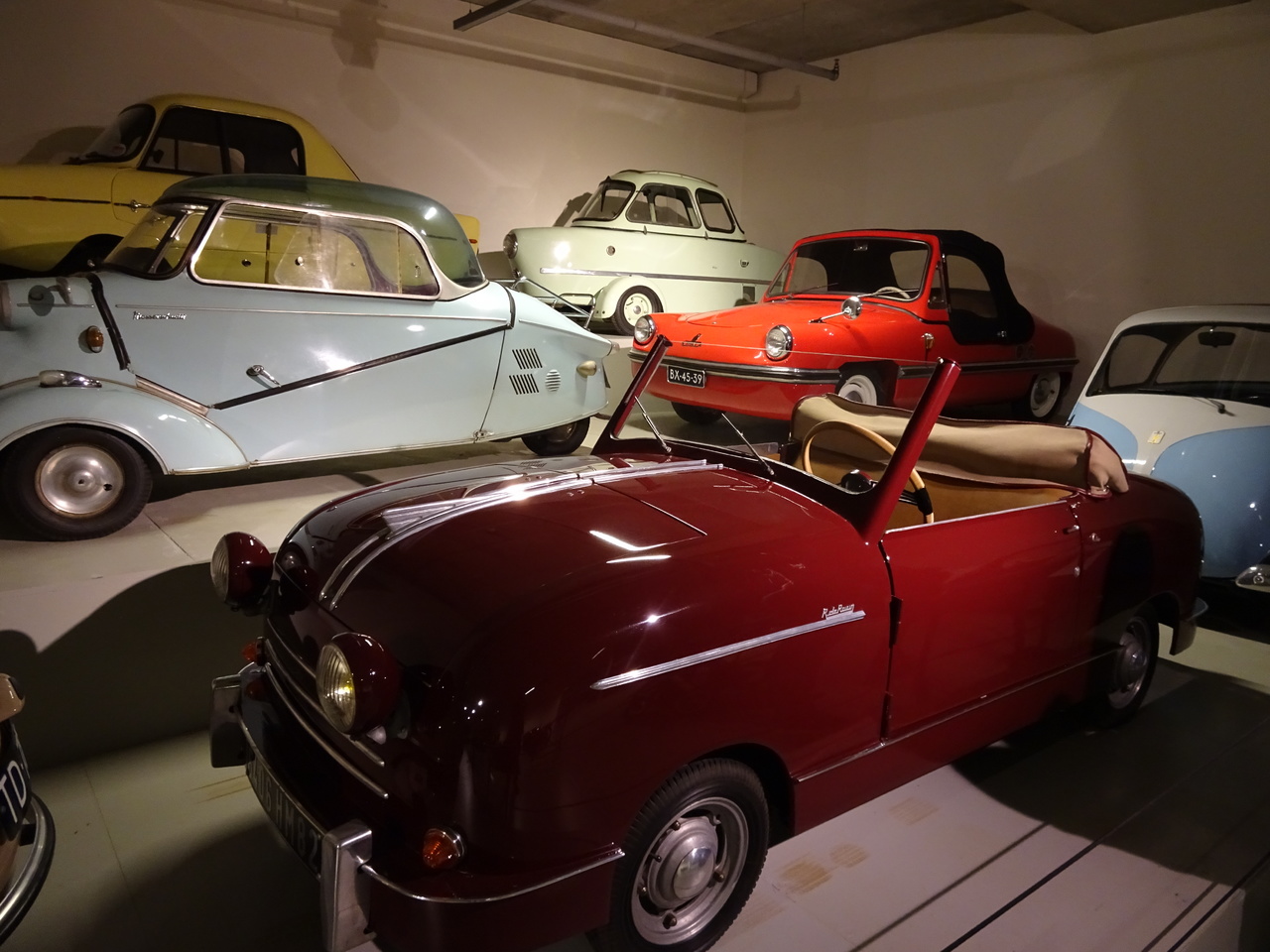
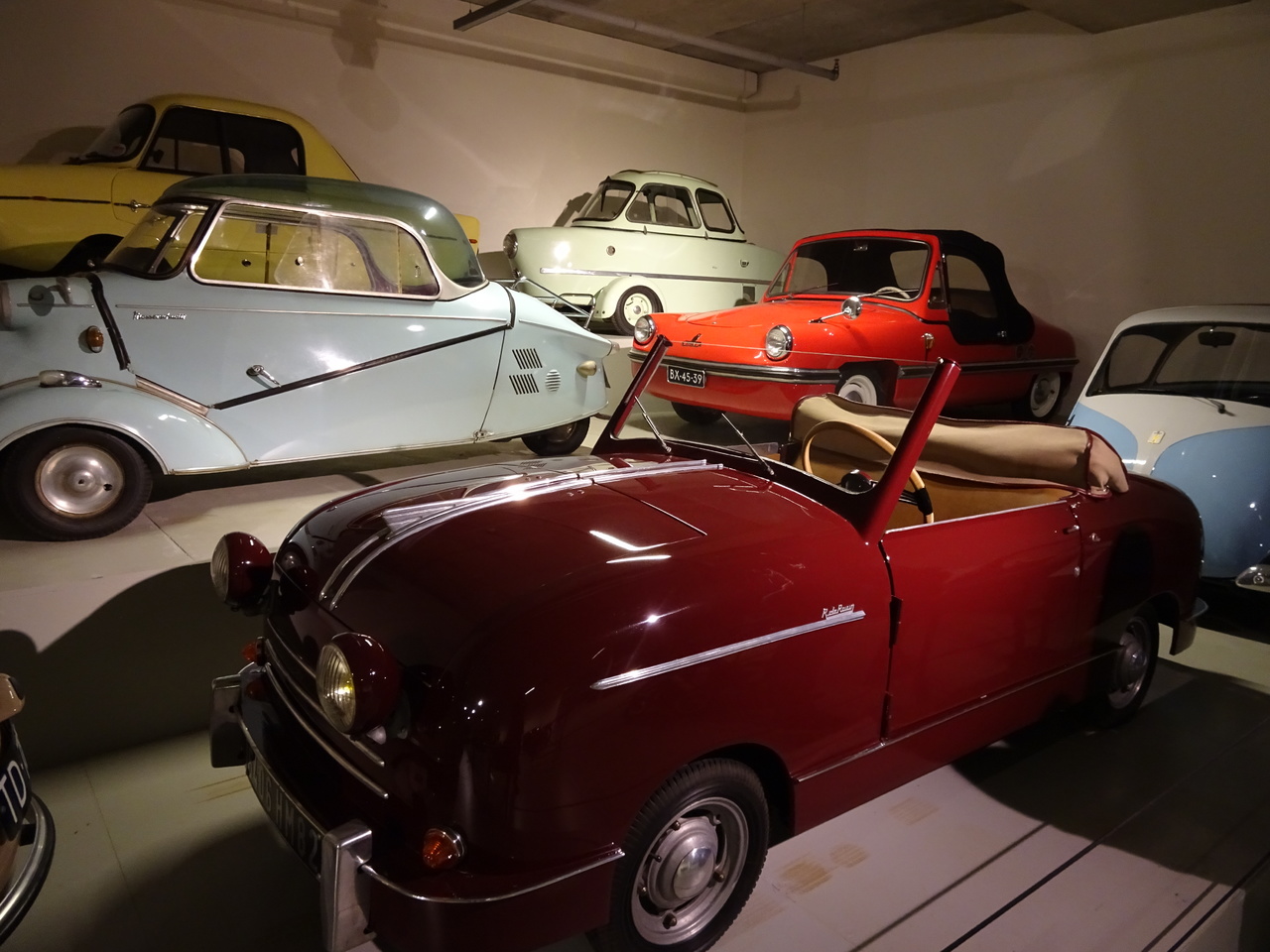
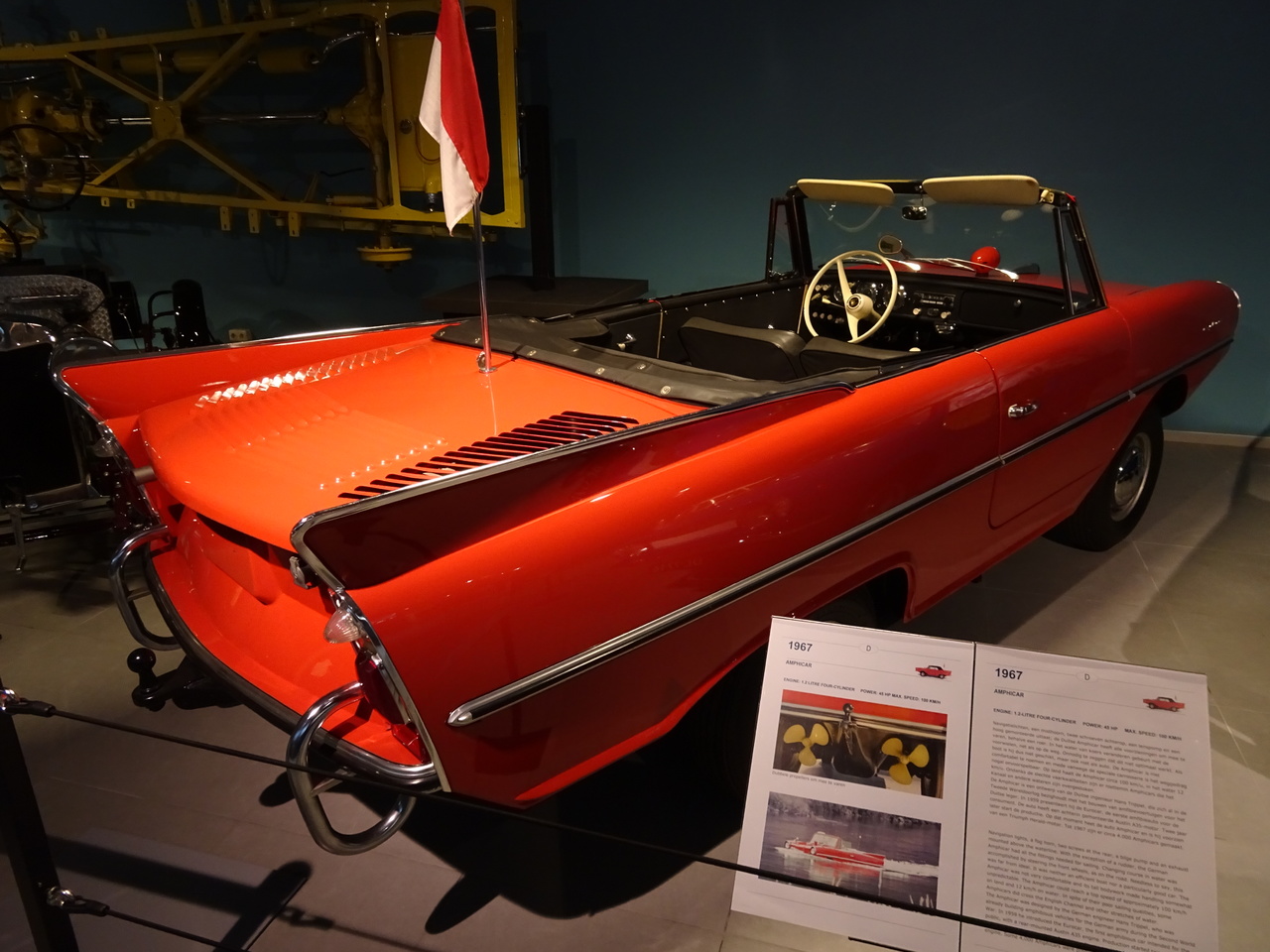
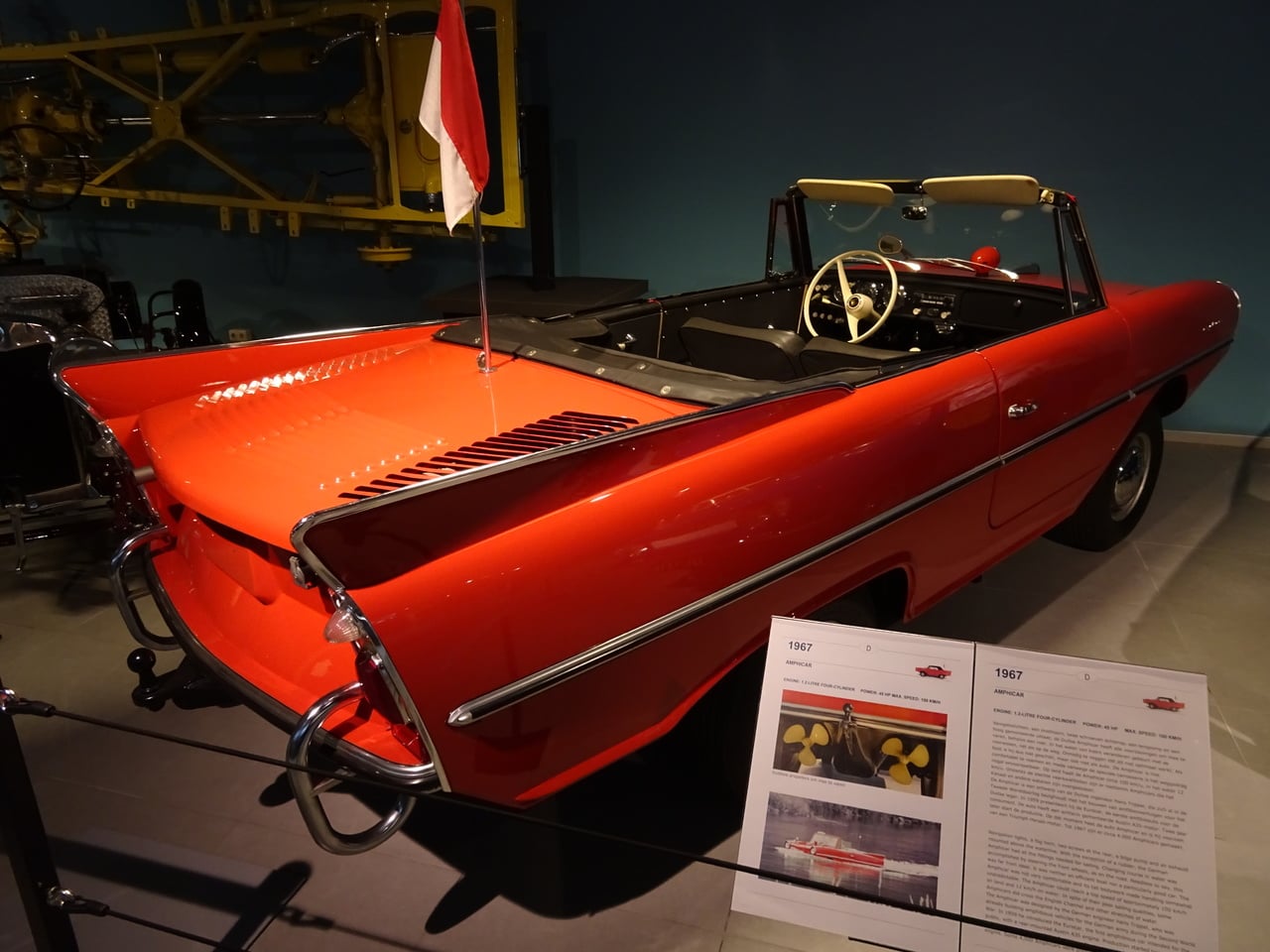
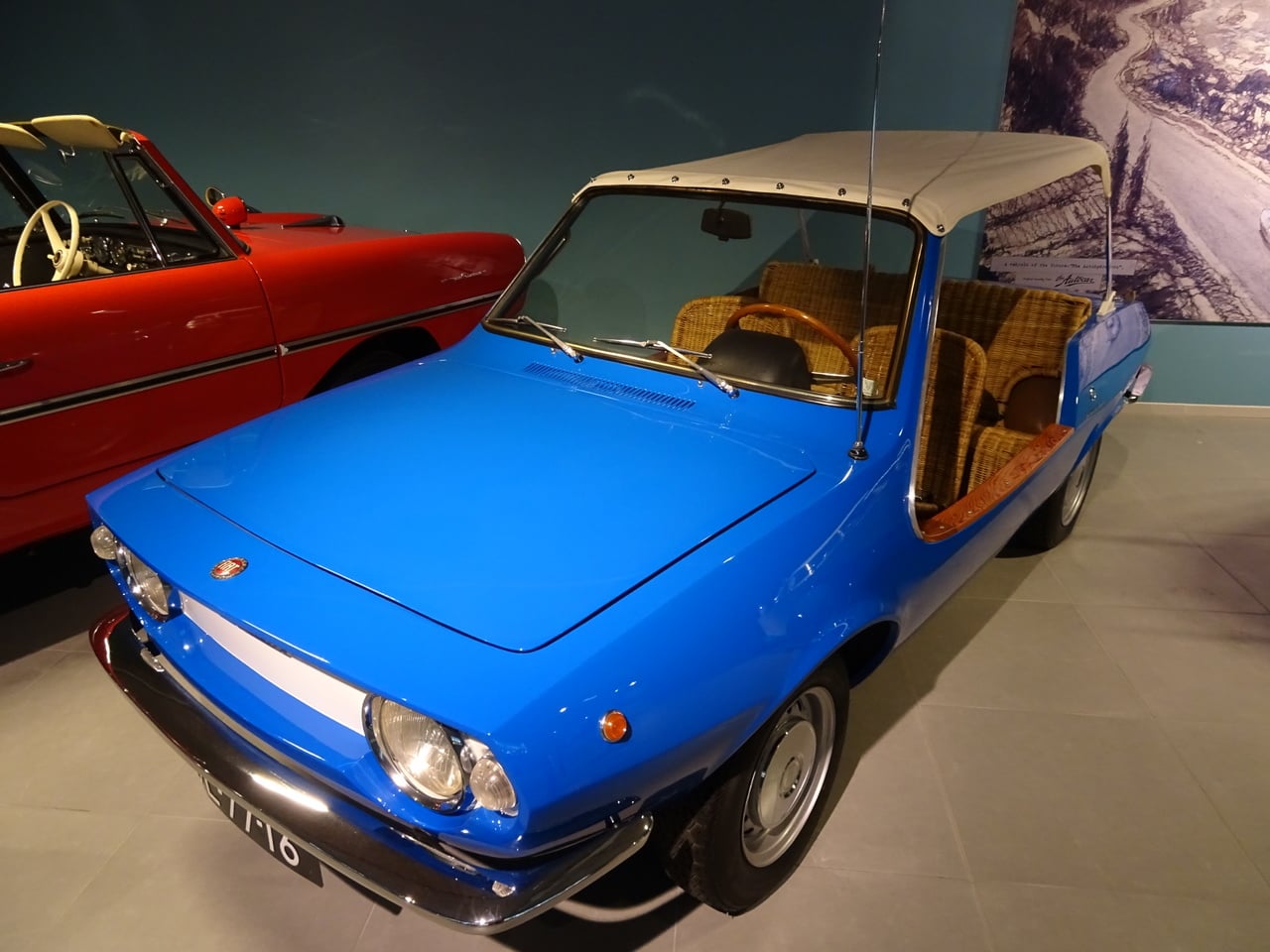
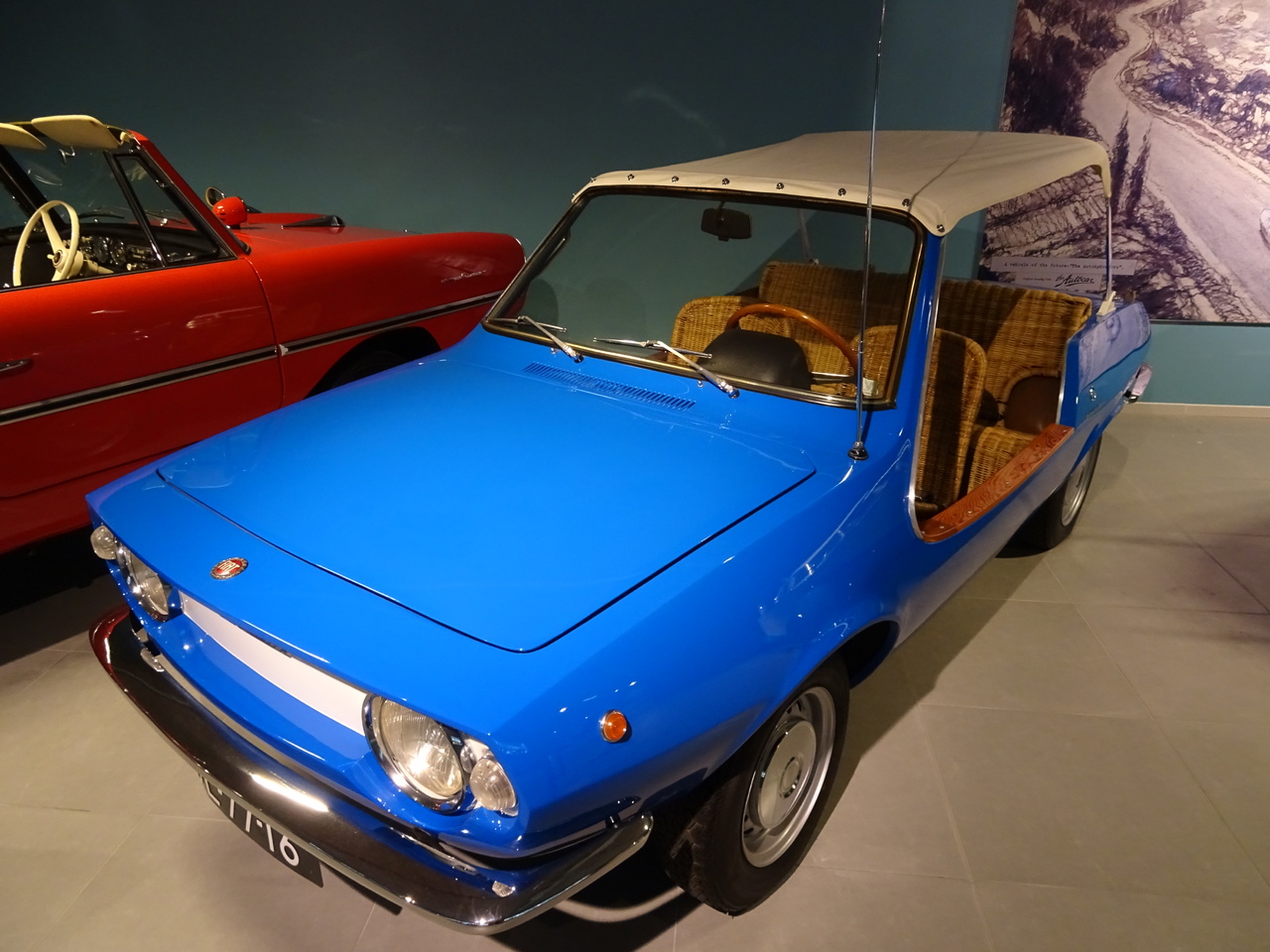
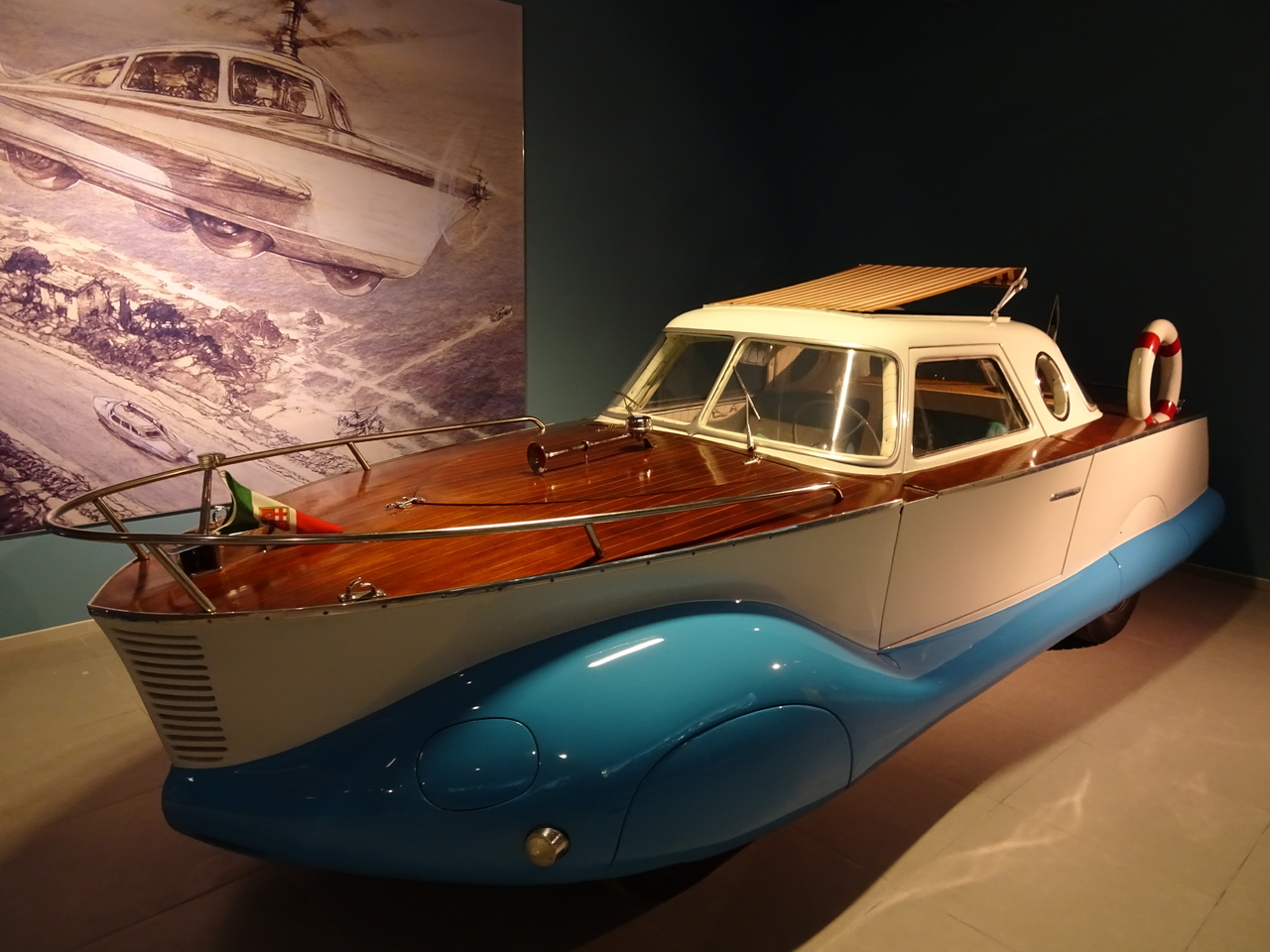
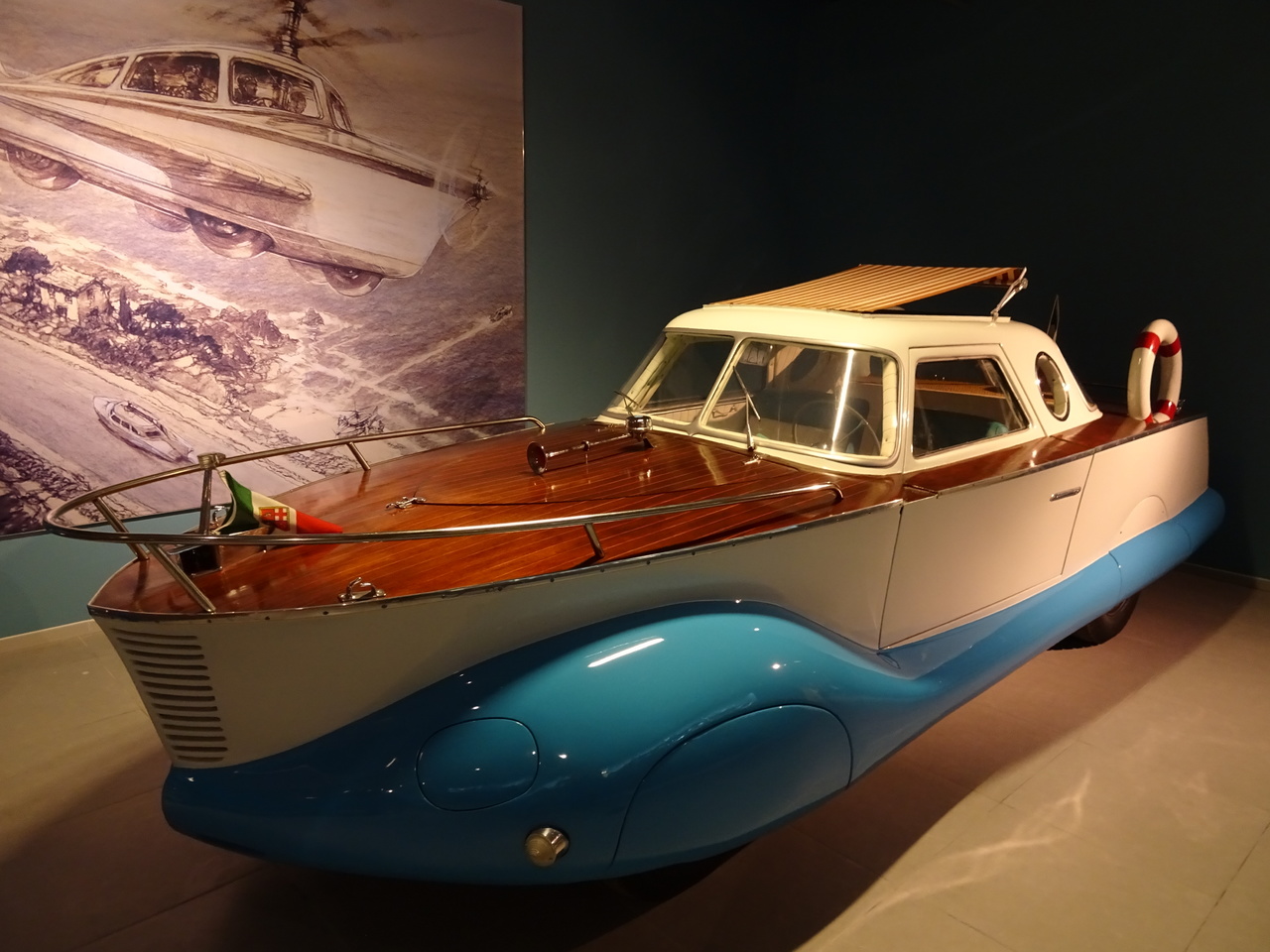
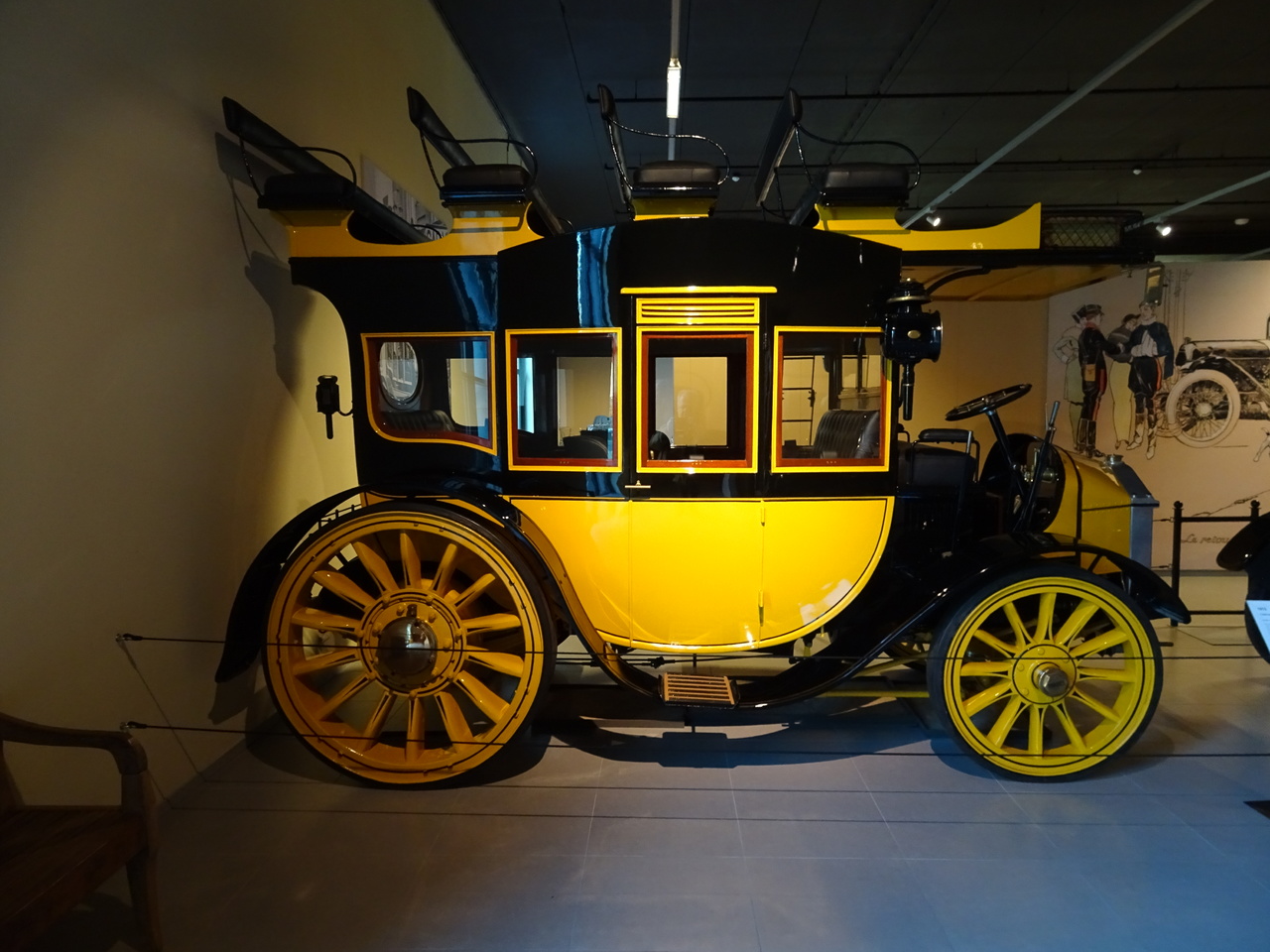
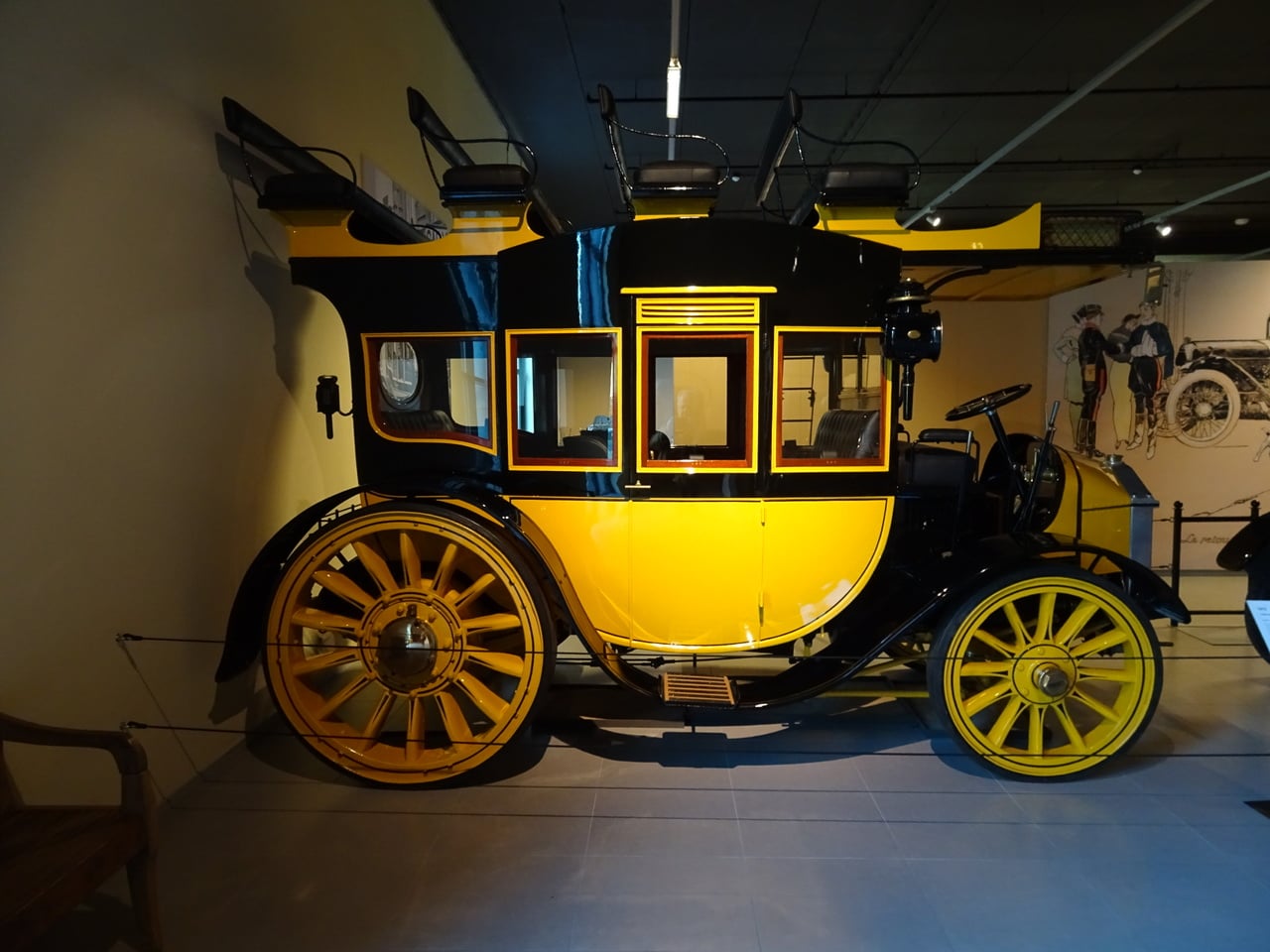
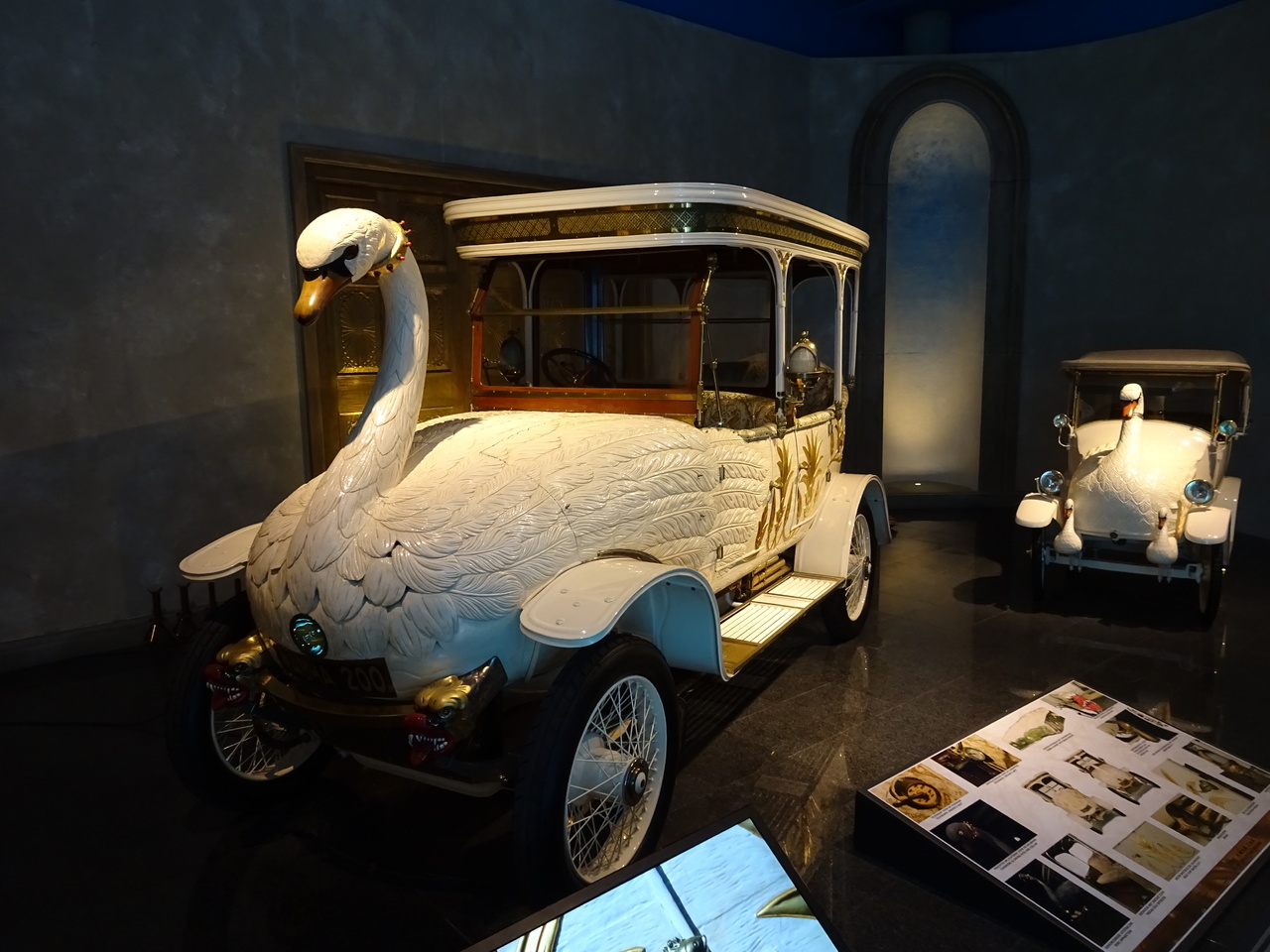
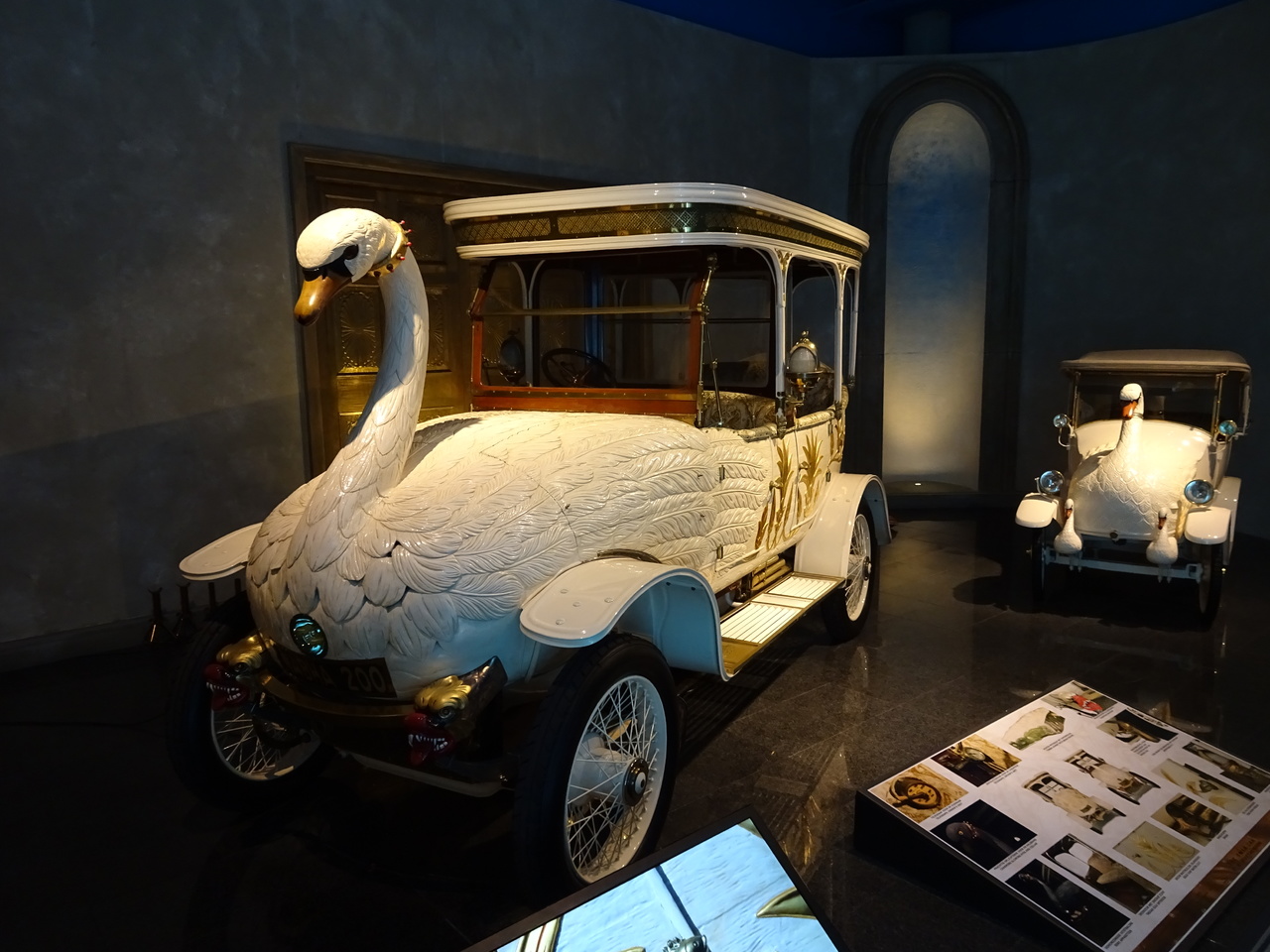
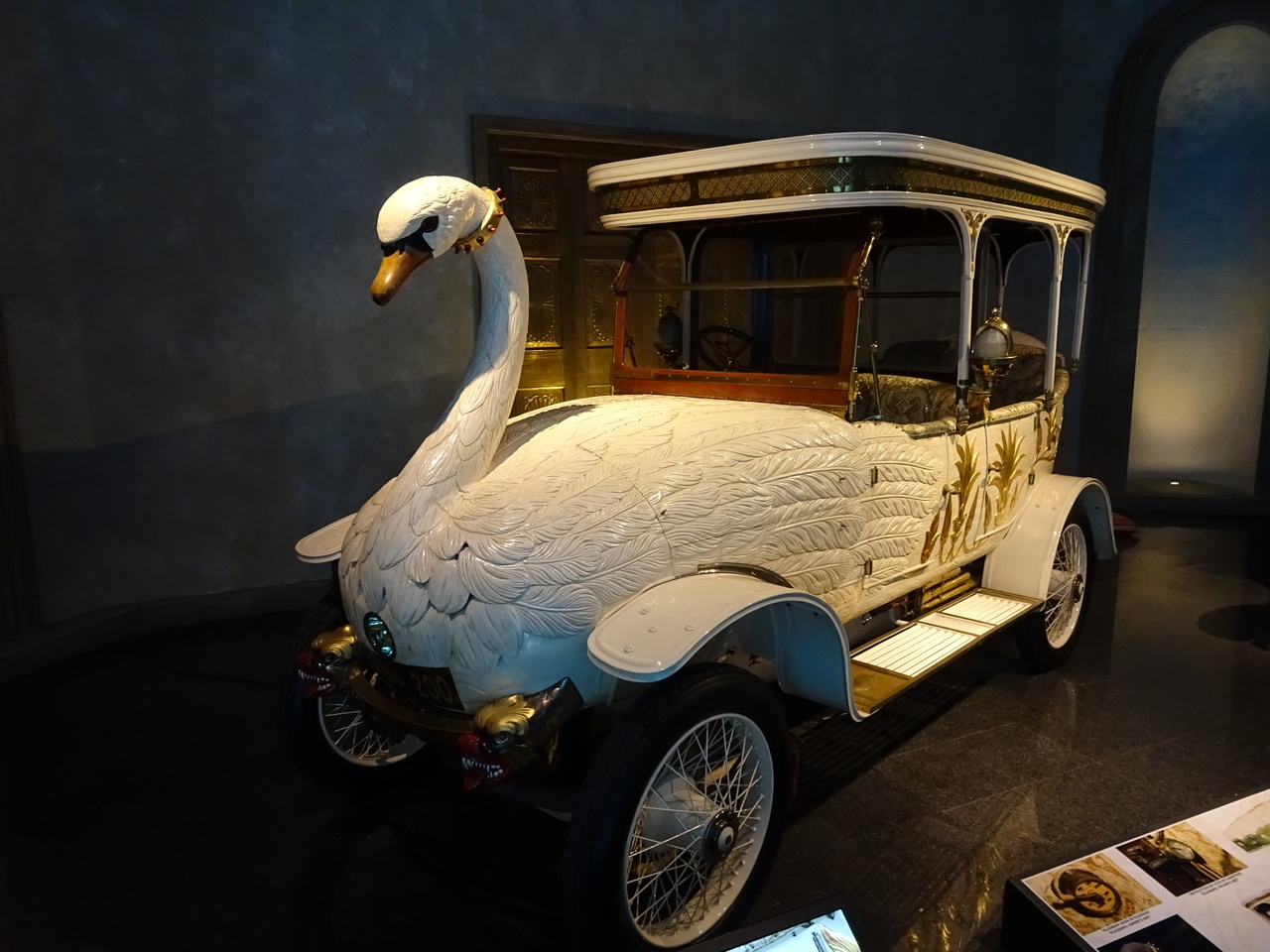
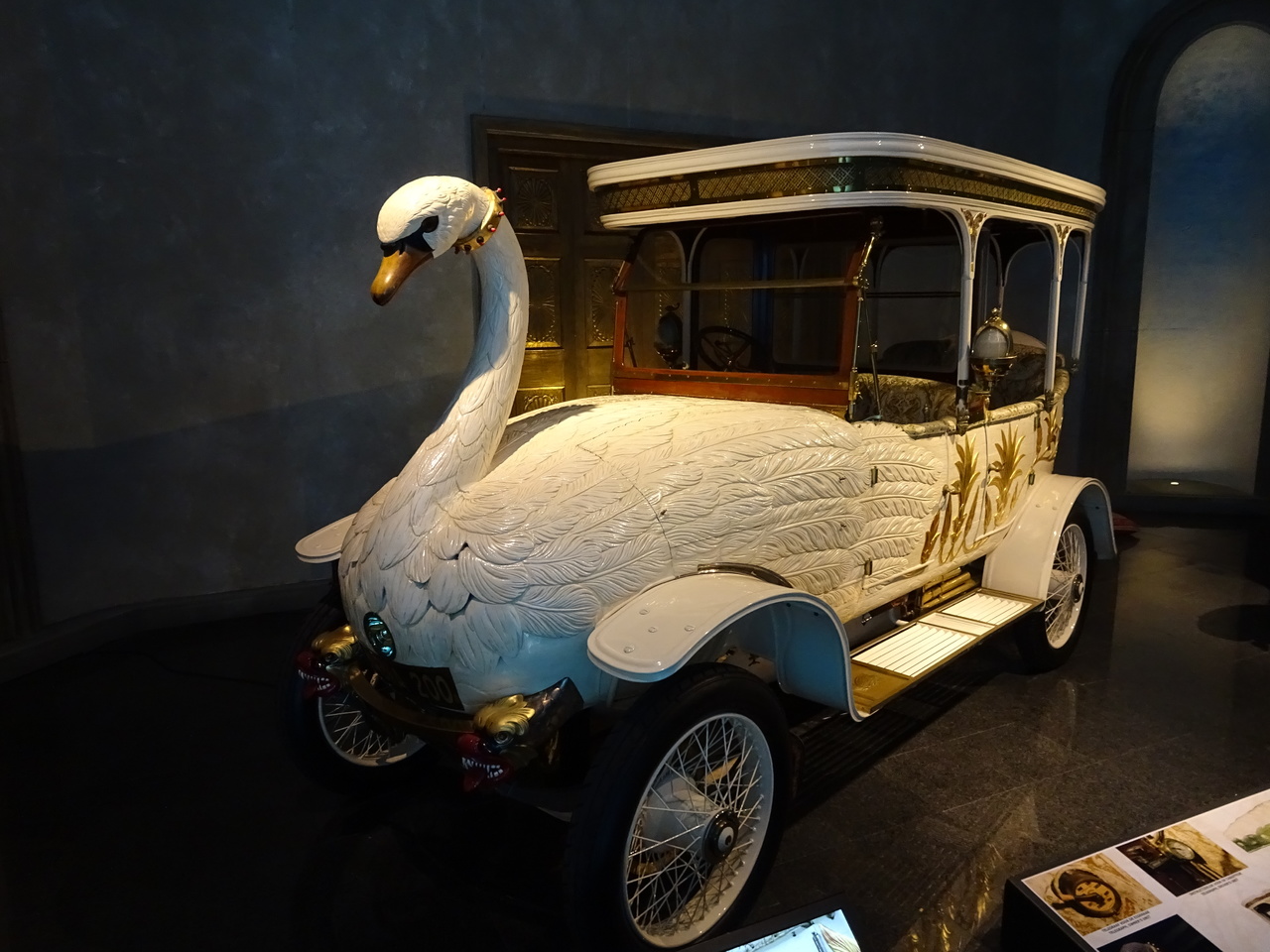
Some strange, funny cars from the same museum (Louwman Museum Den Haag, The Hague).
 ']
']
 [/URL]
 ']
']
 [/URL]
 ']
']
 [/URL]
 ']
']
 [/URL]
 ']
']
 [/URL]
 ']
']
 [/URL]
 ']
']
 [/URL]
 ']
']
 [/URL]
 ']
']
 [/URL]
 ']
']
 [/URL]
In addition to the new 350, the 302 and some of the 327's in 67 must have also been large journal cranks, because they shared the same casting number block, 3892657.
What I said was pretty much from David Vizard's book on rebuilding the small block Chevy engine.
Parts with the same Chevy casting number aren't always the same. The three engines you mentioned all have a 4" bore with different stroke cranks.
I've seen small block -186 and -461 heads with different sized valves and/or combustion chambers. The -186 came on some HP 'vette engines with 2.02" & 1.6" valves with 64cc chambers; and on some plain Jane grocery getters with 1.72" & 1.5" valves with 69cc chambers; two completely different animals with the same casting number.
The 350 replaced the 327 because the extra power came in handy for driving the AC and PS. The last year for the 327 was 1969, and the left over large journal cranks were used in 307s (same 3.25" stroke with a smaller bore).
What I said was pretty much from David Vizard's book on rebuilding the small block Chevy engine.
Parts with the same Chevy casting number aren't always the same. The three engines you mentioned all have a 4" bore with different stroke cranks.
I've seen small block -186 and -461 heads with different sized valves and/or combustion chambers. The -186 came on some HP 'vette engines with 2.02" & 1.6" valves with 64cc chambers; and on some plain Jane grocery getters with 1.72" & 1.5" valves with 69cc chambers; two completely different animals with the same casting number.
The 350 replaced the 327 because the extra power came in handy for driving the AC and PS. The last year for the 327 was 1969, and the left over large journal cranks were used in 307s (same 3.25" stroke with a smaller bore).
I had a 327 with 1.94" & 1.50" 461 heads that ran mid 13's with a small cam in a 3400 lb car..... fun engine, wish I still had it.
The 186 was also the factory head on the 302 in the 69 Z/28. I have a set with 2.02" & 1.60" on my 79 Z. Can't say I've ever seen a 1.72" intake valve on something other than a small inch displacement head (casting number 185 rings a bell) but GM was known to do wacky stuff.

I just bought this and it's my new daily driver.
Anyone care to guess the make and model?

A clue. Under the hood:

Anyone care to guess the make and model?
A clue. Under the hood:
I just bought this and it's my new daily driver.
Anyone care to guess the make and model?

A clue. Under the hood:

Ford Sierra? Late 80's early 90s?
Ford Sierra? Late 80's early 90s?
So very close!
It's based off the Ford Sierra and it's powered by the Ford 2.3 L turbo.
Another clue: Ford created a new brand in the 80's to try to compete with BMW and Mercedes and this is the result. They were made in Germany from 1985 - 1989 but they totally flopped - only selling 42 thousand cars in 5 years.
Mine is an '87. You can tell by the fact that it has the "tarantula" wheels but not the dual rear spoiler.
Anyone care to guess the make and model?

That is a Merkur XR4Ti.
Someone changed your rear wings.
That is a Merkur XR4Ti.
Someone changed your rear wings.
You got it.
The earlier bi-wing versions are more popular so a lot of the rear hatches have been swapped over the years.


