At the root of scientific inquiry is the word "inquiry". There's a difference between a scientific historian who can recite an impressive array of known facts, and a true scientist, who is actively working and experimenting to discover the fundamental, hidden principles which are in play in his area of focus.
I'm not one of those guys, but have had the privilige of associating with a precious few of them over the years, men and women who are way, way out on the tail end of the bell curve (like Tom and Steve). These people are pushing the frightening edge of discovery like an intrepid blind man exploring the unknown with only his cane, going wherever it takes them, and are not at all interested in defending the borders of current knowledge, although they are adept at using the tools it offers. They are pioneers, initiates, fire-bringers, heretics, witches, and blasphemers. And the best human beings I know.
I remember one time Earl Geddes was at odds with a majority of his fellow members of the Audio Engineering Society. One of them suggested that the matter be put to a vote. His reply was classic: "I shall abstain from voting. Science is not a democracy."
Obviously you have that excitement and sense of wonder at the discovery that there is more to the world than we have yet thought of. You and I may not be the ones actually pushing the boundaries, but we're serious enough students to recognize when there's something going on that is outside of the norm. Yes we risk being mistaken, but if we discover that to be the case, we course-correct and keep on seeking. If we wait until new knowledge becomes mainstream we run less risk of being mistaken, but we will have traded off our innate sense of curiosity and wonder and awe for safety.
Well said.
Let's wait and see what comes out.








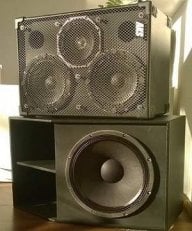
 . I bought a pair of the GC46's a couple months (12 gigs?) ago. My goal was to replace the standard 2-way 15" PA box that's ubiquitous in small gig settings with something that would deliver at least equal volume with better clarity and room coverage, as the stock items have always frustrated me. These Big-E cabs haven't just done this ...they've blown them away. The clarity in the vocal range is outstanding and the "room-filling" capability surpassed my expectations. There's no lack of volume or low-end either; I'd say they are in fact a tad louder than conventional speakers.