You are way overestimating the margins of manufacturing relatively low volume components.
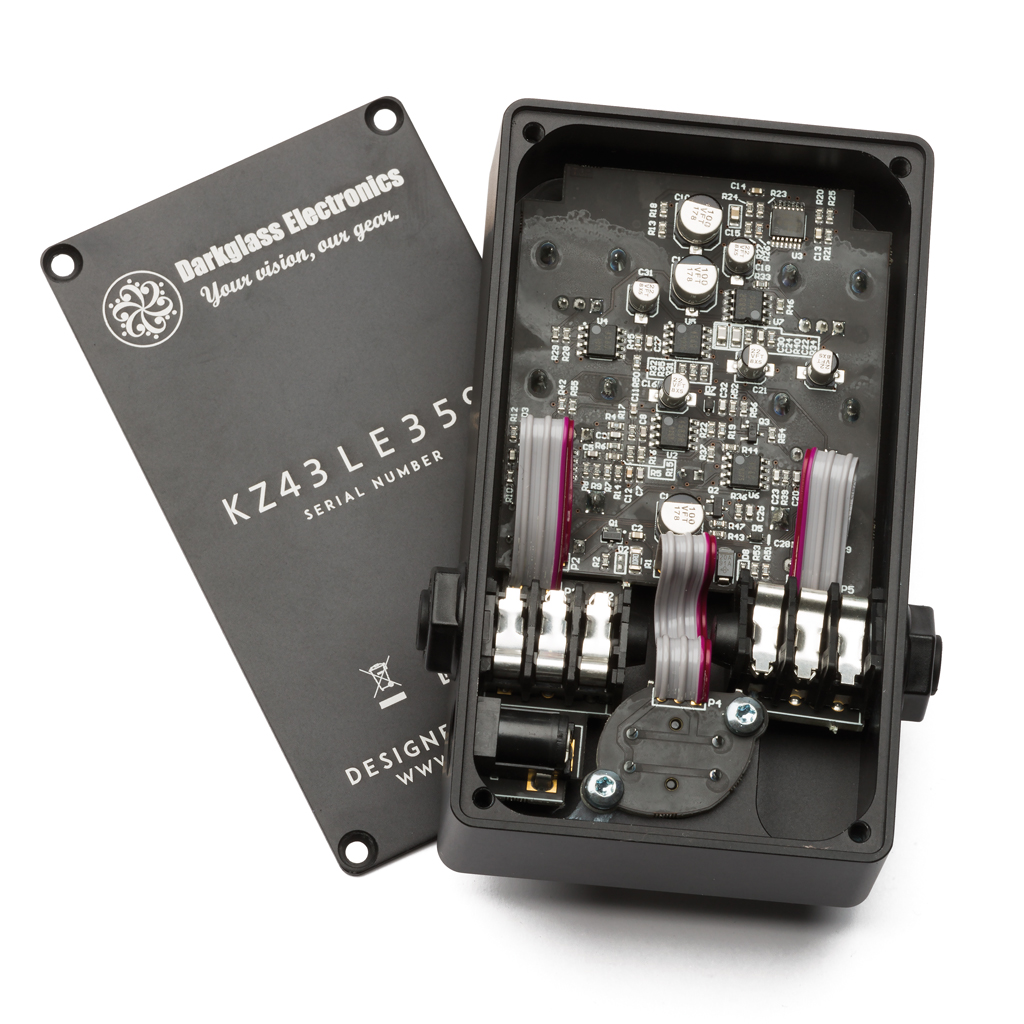
You are entitled to your outlook on this, of course. I would argue that there are benefits to the $130+ premium on the Darkglass like a warranty. Or a return policy. There is also a level of confidence that the company wants to retain your business and leverage your satisfaction in their product to gain more customers. As such, they'll invest time and money in insuring that your investment won't break in 3 months of regular usage. There is some truth in the adage "you get what you pay for" and the lowest bidder doesn't necessarily correlate to the highest satisfaction.
I don't have that confidence (or indeed any confidence) in my Demon FX pedal. On the other hand, I'm not a professional: I gig, but irregularly. If my Harmonic Booster was to crap out... meh. I can work around it and I don't have much invested in it. It would be inconvenient, but not like if my car or my computer died. Hell, I had no idea what it even sounded like when I ordered it, but it was cheap enough that I thought it would be worth it regardless of what I got out of it. Either a working pedal or life lesson and a funny story.
Just like a carpenter isn't a sucker for buying a pro-grade name brand drill vs. a lookalike from Harbor Freight, I wouldn't call a working musician a sucker for buying pro-grade gear.
There can be a darker side to these knock offs, as well: take the example of Ly-rock somehow getting a hold of DSM & Humboldt's gerber files for their Simplifier series pedals. You can make the argument that tracing a PCB at least requires reverse engineering work. Ly-Rock is simply IP theft.