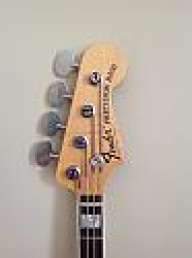
Since action is usually measured as string height at the 12th fret - on a compound radius neck, the fretboard will be flatter at the 12th fret and more curved at the first fret. So, if you get the action nice and low on the flatter 12th fret, it will be relatively higher on the E and G strings at the first fret since the board is curving downwards more quickly near the nut. So, saying you can get lower action on a compound board may be true as you move up the frets to the flatter regions of the board. I'm an engineer and making this up as I go, but the physics could help explain this claim.