How the Split-Pea Pickup Came to Be...
Sometime in late 1956/early 1957 in the middle of his regular work week Leo Fender was having a lunch of French-Canadian style habitant soup (an old French-peasant recipe of yellow split peas and smoked ham). The colour of the soup reminded him of the latest batch of similarly coloured basses (what we now call butterscotch) still wet with fresh paint placed in the drying room that morning. Just as he was thinking of this colourful connection, a husk from a split pea got stuck in between his teeth. He couldn't get it out with his tongue, so he tried to ignore it and set back to work on the pickups, for the bass batch would be now almost dry.
As with any normal person, he was unable to pass over it. The ensuing insistent tongue probing only wedged the husk further between his teeth, and now painfully deep into his gum-line. It was driving him crazy, he couldn't work, and with his tongue cramping from the effort of trying to dislodge the pea husk — he struck out in frustration with a fret-slotting saw. In so doing with such vigour, he accidentally chopped a single-coil pickup in half that lay on his test bench. With a shard of wire from the pickup for a makeshift toothpick, he successfully removed the split-pea husk.
Rid of the pesky pea husk pest, Leo was able to finally focus and set about his work. He soon realised he needed that very same pickup he'd just destroyed because a shipment of raw pickup materials had been delayed so there weren't enough pickups available for the order without the cleaved pup. The order for the basses had to be filled or he'd lose the contract with (and a much-needed injection of cash from) a large music-store chain. Frantic to make the deadline, he cobbled the pickup together and although he couldn't get it to line up straight, as too much material from the middle had been chopped to bits, he tested it to make sure it would work. Lo, he beheld such sonic splendor that he proceeded to chop all the remaining pickups in half and re-assemble the pieces. By the time the paint had fully dried and the waiting batch of basses were ready for their electronics, Leo had all the pickups split, tested and ready to drop in. He hastily organised the woodworkers to re-route the pickup cavities...
And so the first batch of Split-P pickups were shipped to a music-store chain (which chain? well the record is lost, burried in the sands of time) bearing butterscotch paint and "new"-style blackguards, and contoured bodies. Subsequent batches of '57 P-basses with split-P pickups were shipped in the popular sunburst finishes as well as white and other increasingly popular hues from the Fender range of colours. Apart from this first batch, no other butterscotch blackguards with split-P pickups have been made subsequently.
Alas, most examples of this rare petite pack of Precisions have been destroyed in bar-room brawls, venue fires, or left to rot under the bed of a non-musical nephew or niece that inherited it from an uncle or auntie session-player. If you find one of these rarities with crude pickup cosmetics – perhaps even a fretsaw mark or two – keep it gigging, keep it safe... from the hands of collectors. Well before the new millennium fell on... us... and cheap hirsute copies of eminent instruments were being promulgated, this divine habitant-soup-of-sound was created for the peasant musician, the working player's axe, a musical tool of legend — they must be heard!
It is Leo Fender's greatest creation, this rare Split-P bass. It is the instrument of a soulful jazzy virtuoso. Not as clumsy or random as a single-coil; an elegant instrument for a more musical age. For over thousands-upon-thousands of sessions, the soulful jazzy virtuosos were the guardians of harmony and rhythm in the Old Recording Studios. Before the dark times... well before the ubiquity of banal inferior bedroom studios... even before the advent of releasing music online, rather...
... Before the CBS Empire!
Link Removed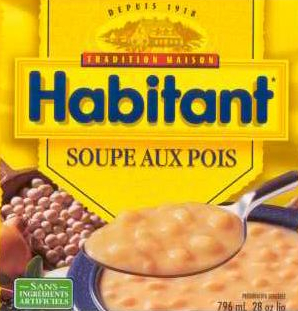
OoOooOoooooh, here's the reason why my bass produces such a farting sound...