
The label is the very first thing to peak your interest.
Pique, rather. But I can see "peak" if that's what one really meant to say. Like peak wattage, peak oil or peak interest.


TalkBass has been independent since 1998. Add your voice.
Create a free account to reply to discussions, view embedded media, and browse with fewer display ads.
Join free Log in
Want zero display ads or expanded classifieds tools? Compare plans.
The label is the very first thing to peak your interest.

Didn’t become a musician because I could write goodPique, rather. But I can see "peak" if that's what one really meant to say. Like peak wattage, peak oil or peak interest.
Is that Uranus in your avatar?Pique, rather. But I can see "peak" if that's what one really meant to say. Like peak wattage, peak oil or peak interest.


Has anyone tried the DCX straight into a cab sim (either from the BassRig or an IR pedal), specifically a 8x10 sim? Basically using the DCX as your main preamp/sound.

@Origin_Effects , will placing a quality passive DI between my passive electric bass and the DCX impact the effectiveness of the DCX's dynamic response circuitry?
BTW, passive Jazz > DCX > Mesa D-350 is extraordinarily satisfying.
This is exactly the quality of response I was seeking. Much gratitude!It shouldn't have any effect. The Adaptive Circuitry isn't reliant on impedance or anything interaction outside of the pedal itself, it's entirely signal level and clipping dependent. The only way a DI should or would cause issue is if it is dropping your signal level. At which point you'd just need to counteract with a higher DRIVE setting to match.
Something to bare in mind (though, it has little to do with the DCX), passive DIs can load down your signal. It's usually best to place something with a buffer before your DI. When recording in the studio, I usually place a tuner pedal before any DI. Obviously for tuning, but also purely to buffer the signal before it hits anything that'll load it down. The difference is subtle but noticable and well worth the effort in resolving.
- Jacob

I bought the DCX Bass for drive and I found that the level of overdrive I'm looking for is easily achieved with pedal in EQ mode and drive around 1 or 2 o'clock.Does any of you use it in EQ mode with the Drive cranked all the way up? I feel like it’s an interesting sound, different than having the pedal in OD mode. Or would you say that if you want drive out of it, it’s best to play it in OD?
Second-favorite non tube drive pedal, yepAnd it’s still one of your favourite OD pedals ever… in EQ mode?
I know you are making a joke, but I was quite surprised by how much drive the EQ mode offers. I had planned to use it in OD mode, but I don't need the level of drive OD mode offers. And I much prefer to have the Adaptive Circuity engaged.
Second-favorite non tube drive pedal, yep
Free The Tone Black Vehicle. Like the DCX Bass, it has that organic, natural, and not overly compressed feel. The Black Vehicle uses an IC design to simulate tube saturation and it does an excellent job. It is the most tubey of all non-tube drives I've played. If you are familiar with the Fairfield Circuitry Barbershop, the Spaceman Saturn VI, or the Origin Effects DCX Bass (I know you know that one) it's like those only with a more articulate low end thanks to its mix control. You can use that to dial in the balance of your clean tone and overdriven tone. The DCX Bass as a fatter, warmer low end than the Black Vehicle which is also nice in its own way. I think that comes from the vintage studio console tone Origin Effects was aiming for. So think something like:what is your number one btw?
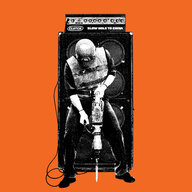



Have you had time to give this a go with your bass yet? Results?I didn't have this OE pedal, so went in on the blackout. Psyched to try it out! (and some EBS flat power cables)
View attachment 5262756


