
They don't?!?

Enjoy the benefits of a premium membership!
Upgrade Account
-
TalkBass has been independent since 1998. Add your voice.
Create a free account to reply to discussions, view embedded media, and browse with fewer display ads.
Join free Log in
Want zero display ads or expanded classifieds tools? Compare plans.
You are using an out of date browser. It may not display this or other websites correctly.
You should upgrade or use an alternative browser.
You should upgrade or use an alternative browser.
Single Cut basses, Just a fad?
- Thread starter FunkHead
- Start date
More options
Who Replied?


why have cut outs at all ? does it matter really ? its all just design and so long as it is functional who cares.

Without a lower cutout the player’s access to upper frets would be greatly diminished.why have cut outs at all ? does it matter really ? its all just design and so long as it is functional who cares.
Without a lower cutout the player’s access to upper frets would be greatly diminished.
it does not have to be that far out to impede the upper frets, have a look at a Rick Turner Rennisance Acoustibass or Model one, or a Hofner violin shape bass for that matter
Last edited:

A fad? Danelectro has been selling this model since 1956.
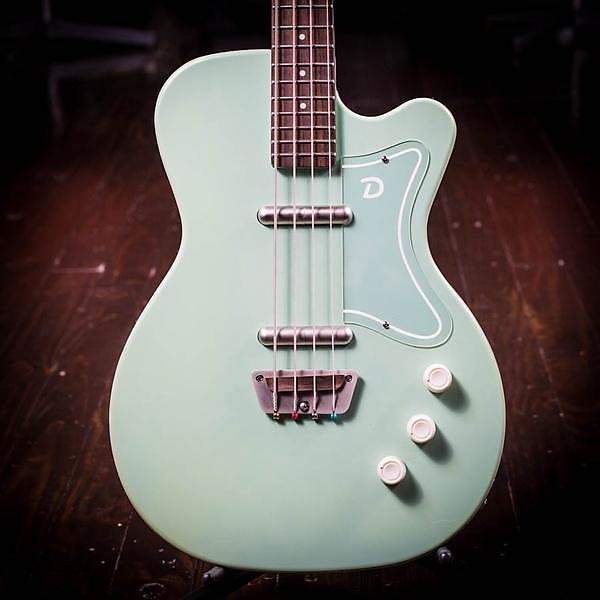
You mean they just buy them to pose with ?
Totally! Just look at these 2 "posers" for an example of this. Totally no substance there!

They don't?!?
No, they actually don't. I've asked them about building one.

Nothing inherently wrong with single cuts. But, their “relevance” is, to me, part of a broader Q about where popular music is going. The single cut design was borne of an era when popular live music was still in a massive expansion, with new forms happening, strong resurgence in older forms like Blues, and strong popular support in the local clubbing circuits.
Enter the Internet.
Here’s the way I see things, FWIW. Popular music forms were largely based on live performance venues. From lowly biker bars to prestigious NYC Jazz clubs, there used to be a broad based active scene happening. And, the singlecut was an innovation in design that happened in that context.
These days, the average person is more apt to look for their weekend entertainment via some kind of streaming service coming into massive flat panel televisions in their own homes. I don’t really know where that leaves us with popular music. As popular music performers, we have kind of become a solution in search of a problem. We will just have to see where all this shakes out. The canary in the mine IMO is where the Blues scene has gone; which, at least in my neck of the woods, has essentially evaporated like it was never there.
Back to the OP, I find myself with a bunch of outstanding bass guitars of various configurations; but my Fender beater parts bass seems to answer all my gigging needs. Which are getting fewer. Clubs requiring bands to bring their own following etc. In whatever case; I am sadly finding less opps to strut the fancy stuff; and that would include a singlecut instrument, if I had one. So, IMO, the singlecut Q is part of a MUCH bigger dynamic going on. YMMV
Enter the Internet.
Here’s the way I see things, FWIW. Popular music forms were largely based on live performance venues. From lowly biker bars to prestigious NYC Jazz clubs, there used to be a broad based active scene happening. And, the singlecut was an innovation in design that happened in that context.
These days, the average person is more apt to look for their weekend entertainment via some kind of streaming service coming into massive flat panel televisions in their own homes. I don’t really know where that leaves us with popular music. As popular music performers, we have kind of become a solution in search of a problem. We will just have to see where all this shakes out. The canary in the mine IMO is where the Blues scene has gone; which, at least in my neck of the woods, has essentially evaporated like it was never there.
Back to the OP, I find myself with a bunch of outstanding bass guitars of various configurations; but my Fender beater parts bass seems to answer all my gigging needs. Which are getting fewer. Clubs requiring bands to bring their own following etc. In whatever case; I am sadly finding less opps to strut the fancy stuff; and that would include a singlecut instrument, if I had one. So, IMO, the singlecut Q is part of a MUCH bigger dynamic going on. YMMV
The Rick Turner has such an asymmetric lower bout that it might as well be a cutaway. As for the Hofner Violin Bass: That makes my point for me. The upper fret access is severely limited due to the lack of no lower cutaway.it does not have to be that far out to impede the upper frets, have a look at a Rick Turner Rennisance Acoustibass or Model one, or a Hofner violin shape bass for that matter
My view is that the long bout single cut is in a category of it's own, that's why I prefer to call it a whale hump style. I have a good number of "standard" single cuts, Telecaster guitar style, Les Paul, and others that I designate as cutaway. In the end I agree that what's the difference the style of the body as long as it fits a person's wants and needs.
I find my violin style no problem problem reaching the high frets, it's cutaway plenty.
I find my violin style no problem problem reaching the high frets, it's cutaway plenty.

OK, how about I put my money where my mouth is - you're free to do the same.Translation: I have nothing to add to this discussion so I'll just shoot my mouth off.

...still a troll thread...
But the one in the light jumper looks like he is playing and posing at the same time.
Yeah; really...Richard Bona is a total poser. No skillz or creds at all, just the (poser) look.

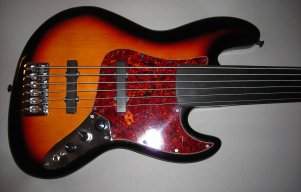
I'm talking here more about the "whale hump" basses rather than say the Les Paul style.
Here is my question to you single cut owners: Is there any chance that the whale hump has a significant effect in reducing or better eliminating dead spots on the bass?
Here is my question to you single cut owners: Is there any chance that the whale hump has a significant effect in reducing or better eliminating dead spots on the bass?

My big question is the additional cost is worth it. I can see the advantage of having a single cut bass to provide access to upper strings. But often the cost of the actual instrument is twice the price. Is it worth it?

Passinwind
I know nothing.
- Dec 3, 2003
- 23,066
- 45,989
- Disclosures
- Designer/Toaster Tech @ Passinwind Electronics
I'm talking here more about the "whale hump" basses rather than say the Les Paul style.
Here is my question to you single cut owners: Is there any chance that the whale hump has a significant effect in reducing or better eliminating dead spots on the bass?
I have no idea on cause and effect, but my single cut has perhaps the nicest balance string to string and low to high on the board of any instrument I've owned or played.

Pretty sweet.OK, how about I put my money where my mouth is - you're free to do the same.
View attachment 3165246
...still a troll thread...
Attachments

Last edited:

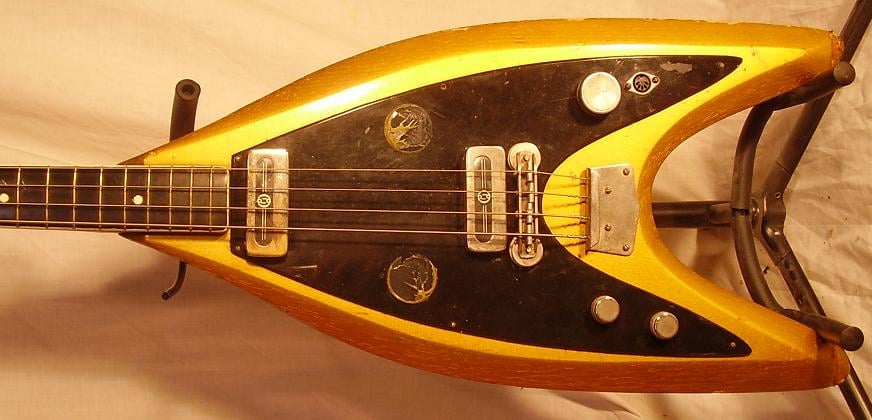
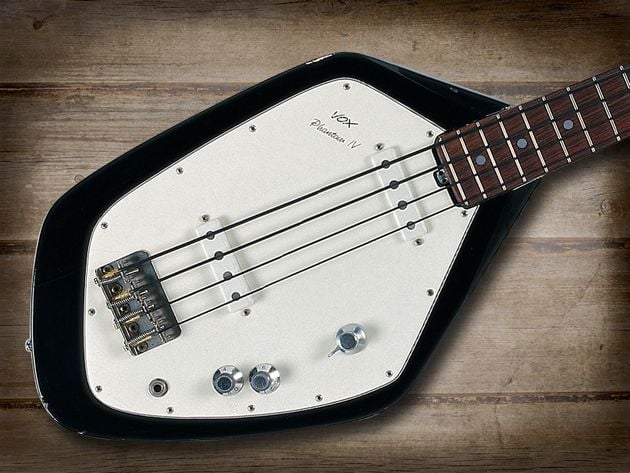
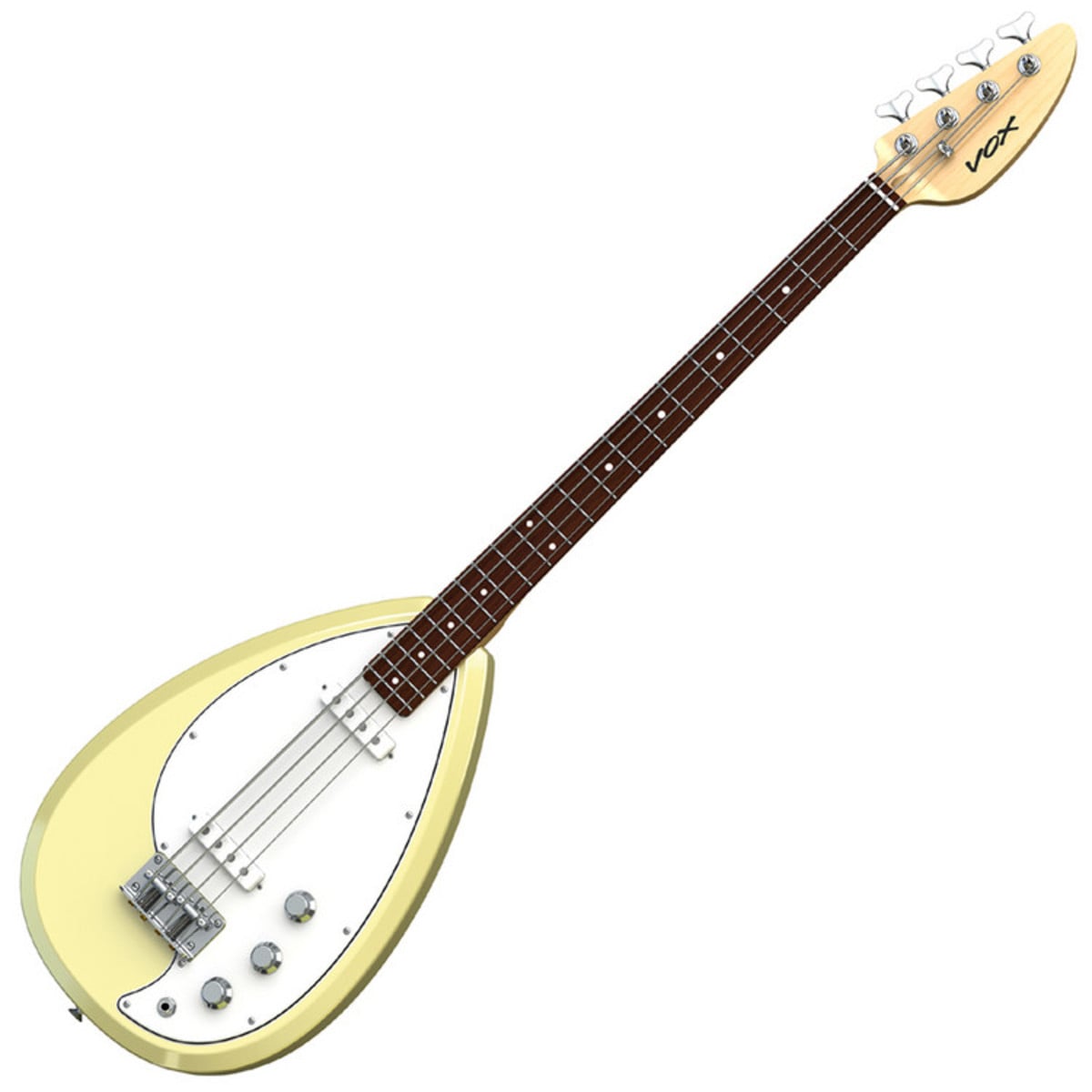
I got to wondering what non-cutaway Basses were made besides the Hofner-style violin Basses. Excluding violin-shaped instruments here is what I was able to find:
Eastwood Devo Be Stiff

Orpheus Rocket
Vox Phantom IV
Vox Teardrop
Messenger (far right)
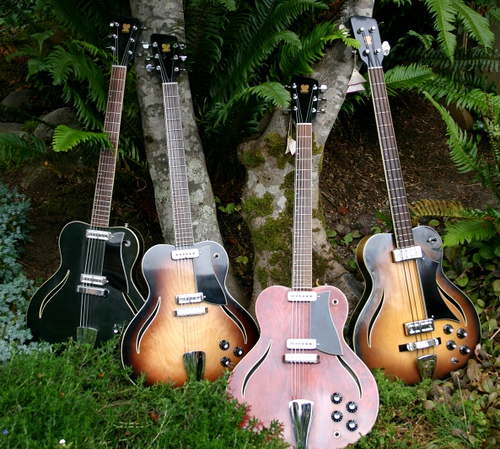
Gibson Flying V

Bigson
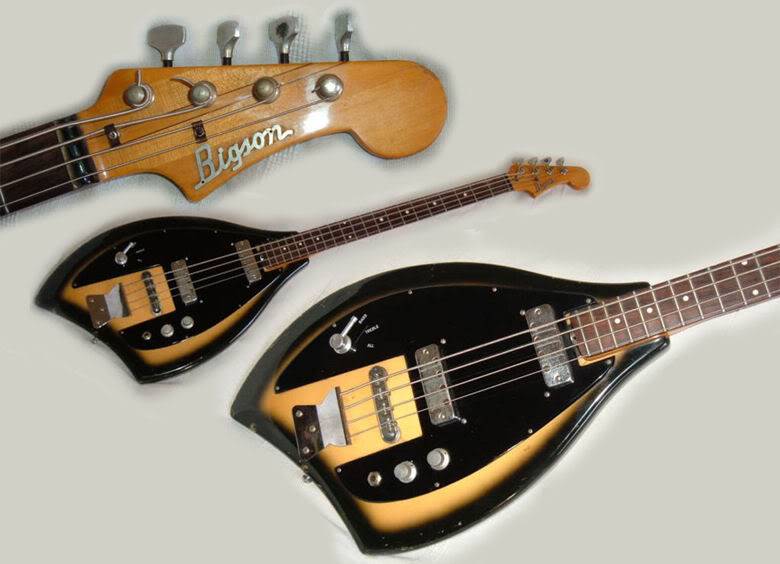
Eastwood Rocket

Burns Flyte

Kawai Crescent

Eastwood Devo Be Stiff
Orpheus Rocket
Vox Phantom IV
Vox Teardrop
Messenger (far right)
Gibson Flying V
Bigson
Eastwood Rocket
Burns Flyte
Kawai Crescent


