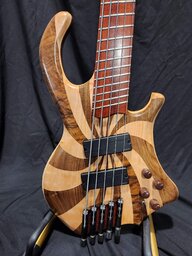
Cherry lover here too - it smells nice when you're working it too.

TalkBass has been independent since 1998. Add your voice.
Create a free account to reply to discussions, view embedded media, and browse with fewer display ads.
Join free Log in
Want zero display ads or expanded classifieds tools? Compare plans.
To me, the primary characteristics to look for in a fingerboard wood are:
A quick Google search indicates that cherry has a lower Janka than hard maple or rosewood or ebony, making it somewhat more susceptible to damage from pressing down strings. This is less of a concern for a fretted instrument than for a fretless. Cherry is otherwise very similar to maple - closed grain, workability, density, etc. I think it would be fine for a fretted instrument.
- Janka hardness,
- closed grain, and
- appearance

How does it compare to Walnut?
Doesn’t Gretsch now offer a walnut fretted board on some of their models?
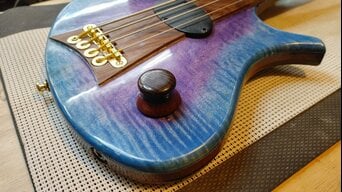

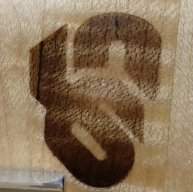
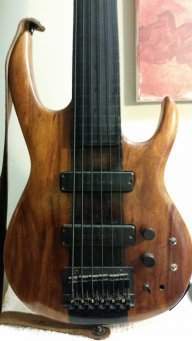
I think the one potential negative of cherry for instruments is it commonly has little bark inclusions and other defects in what looks like a perfect clean board. I like this kind of character in an instrument but other people may not. View attachment 3629761 View attachment 3629762 View attachment 3629763

To me, the primary characteristics to look for in a fingerboard wood are:
A quick Google search indicates that cherry has a lower Janka than hard maple or rosewood or ebony, making it somewhat more susceptible to damage from pressing down strings. This is less of a concern for a fretted instrument than for a fretless. Cherry is otherwise very similar to maple - closed grain, workability, density, etc. I think it would be fine for a fretted instrument.
- Janka hardness,
- closed grain, and
- appearance
I've not had any issues with cherry in any use in guitar/bass. Not sure if I've done a cherry fretboard, but I have done multiple necks and some bodies, for sure.
I think the one potential negative of cherry for instruments is it commonly has little bark inclusions and other defects in what looks like a perfect clean board. I like this kind of character in an instrument but other people may not. View attachment 3629761 View attachment 3629762 View attachment 3629763
I think the one potential negative of cherry for instruments is it commonly has little bark inclusions and other defects in what looks like a perfect clean board. I like this kind of character in an instrument but other people may not. View attachment 3629761 View attachment 3629762 View attachment 3629763
They look cool. Do you fill the cracks with expoxy or something or just put the finish on?
Oh, I thought they were barbells for mice.While waiting for the 21st day (this is like burning ice, I really, really want to start!) I made spool clamps for the gluing of the top.


View attachment 3634093 While waiting for the 21st day (this is like burning ice, I really, really want to start!) I made spool clamps for the gluing of the top.