Early Mahavishnu would have benefited mightily from this guy's playing!
No doubt. I love Mahavishnu Orchestra.

TalkBass has been independent since 1998. Add your voice.
Create a free account to reply to discussions, view embedded media, and browse with fewer display ads.
Join free Log in
Want zero display ads or expanded classifieds tools? Compare plans.
Early Mahavishnu would have benefited mightily from this guy's playing!

I am guessing I would be in the minority here, but I would enjoy hearing Yoko Ono and Nolly Getgood getting into it, for sure.All I can speak to is a Rig Rundown with Nolly that I saw a while back which was two separate DI feeds direct to the PA (clean and dirty), with an on stage amp for monitoring.
Insane drummers abound in this genre. Vocals include singing, screaming, and instrumental... all of the above.
"djent" is an onomatopoeia of a typical guitar sound used in a new wave of extreme heavy metal, characterized by (annoyingly) complex time signatures, syncopated poly-rhythms, and heavily detuned guitars. The word "djent" refers to both the tone of the guitar as well as the genre as a whole.

Ah-ha, I did not know that... So "djent" is to black metal as "un-tis" is to club music?
Ah-ha, I did not know that... So "djent" is to black metal as "un-tis" is to club music?
I definitely wouldn't say that. Black metal and djent are pretty far away from each other.
The only reason they're "not common" is because they're not marketed to bassists; they're almost exclusively the province of pro sound reinforcement, either for PA systems or theater LFE applications. And yes they are definitely not on the cheap side, but if you've got the cash there's a surprisingly large number of options available.
Of the ones that make (even questionably) practical sense for onstage bass amplification, I'd probably lean towards the Bag End IPS18E-N (one of their self-powered ELF systems) or the old Intersonics Servo-Drive ContraBass systems.
Black metal and djent are pretty far away from each other.
Shows what I know. Are there any youtube videos that explain the difference that do not involve a bespectacled teenager screaming in his bedroom?

Shows what I know. Are there any youtube videos that explain the difference that do not involve a bespectacled teenager screaming in his bedroom?
@NKBassman
@Haroldo
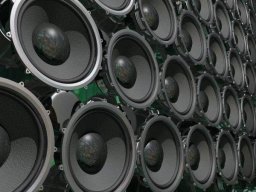
Some of the modern 3 way designs (Greenboy, Audiokenisis, etc.) may, but even standard E is somewhere around 40Hz and bass is regularly high-passed around 50Hz live and on recordings.
You're hearing the first harmonic, and your brain "fills in" the fundamental frequency

@NKBassman
@Haroldo
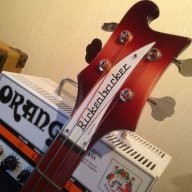
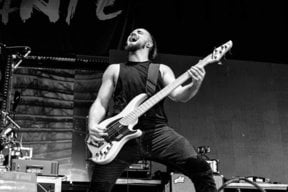
Maybe for this (bass is the Marleaux Monster 40).

Lol dying here lolI am a 46 year old southern male. I cut down trees on my property and split the logs without machinery for fun. This song made me want a hug from my mommy.
What are these people pissed at?
The first harmonic IS the fundamental.