

Enjoy the benefits of a premium membership!
Upgrade Account
-
TalkBass has been independent since 1998. Add your voice.
Create a free account to reply to discussions, view embedded media, and browse with fewer display ads.
Join free Log in
Want zero display ads or expanded classifieds tools? Compare plans.
You are using an out of date browser. It may not display this or other websites correctly.
You should upgrade or use an alternative browser.
You should upgrade or use an alternative browser.
810 cabinet on its side. Any reason?
- Thread starter Clark Westfield
- Start date
More options
Who Replied?
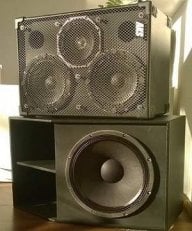
advantage = probably a little more low end (maybe usefull for reggae / dub enthousiasts)What’s the advantage or disadvantage of placing the cab like this?
disadvantage = a lot less clarity (decreased dispersion of mid/highs) and taking up more stage area
Advantage: Stage looks cooler if you don't like amps presence onstage.

-Safer to stand on
-Can stack another 810 on its side on top of it
-Makes for a handy chair between songs
-Can stack another 810 on its side on top of it
-Makes for a handy chair between songs

Heavy metal, low frequencies are heavy. They're closer to the ground. Gravity.

It seems to me that laying it on its side negates two of the biggest advantages of the usual orientation: getting some speakers up closer to your ears so you can hear yourself in the mix, and horizontal dispersion of sound across the room.

I think @paskisti nailed it. At least when I’ve seen the phenomenon on TV, I immediately thought that some TV producer or executive decided it was too much or took away from the focus of the act, so minimize by laying it on its side. Those TV performances also did not feature any other prominent displays of music equipment. Even the drum kit was an afterthought.

- Apr 18, 2008
- 16,004
- 1
- 31,699
- Disclosures
- I'm highly opinionated and extremely self-assured
It’s for people who listen with their eyes.

In theory, you can get comb filtering with an 810 on its side. Not much of a problem for many as volume levels were low.
Last edited:
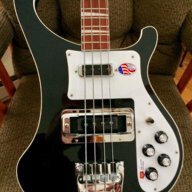
It's one shorter innit?
Fixed it. Too early to do math.
Last edited:

The only reason I'd set an 810 on it's side is if the stage was unstable.
As others have stated; you lose all of the acoustical benefits of a tall cab when you set it on it's side.
But another way it'd make sense was if the bassist in question was using IEM.
If that's the case the IEMs would be providing all the clarity and the cab would just provide stage rumble.
And for stage rumble, horizontal would be advantageous.
As others have stated; you lose all of the acoustical benefits of a tall cab when you set it on it's side.
But another way it'd make sense was if the bassist in question was using IEM.
If that's the case the IEMs would be providing all the clarity and the cab would just provide stage rumble.
And for stage rumble, horizontal would be advantageous.

So that you can stack another 8x10 on top of it and UNLEASH 16 SPEAKERS WORTH OF FURY!!!!!!!!I see on some stages guys using an 810 cabinet on its side.
What’s the advantage or disadvantage of placing the cab like this?

So that you can stack another 8x10 on top of it and UNLEASH 16 SPEAKERS WORTH OF FURY!!!!!!!!
Why would you stack if you had 2x 8x10s when you could put them side-by-side?
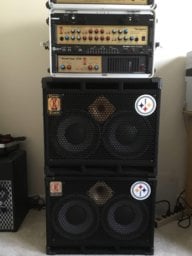
I see on some stages guys using an 810 cabinet on its side.
What’s the advantage or disadvantage of placing the cab like this?
Several reasons. One, more stage coupling, two, the speakers being off axis will sound deeper to the bassist, and three, you don't have 2 of those 10" speakers pretty close to ear level making it hard to hear the other members in the band just to mention a few.
Actually, I don't see much need for an 810 cab unless your stage volume is really loud, which is fine if you play Yankee stadium or for outdoors gigs and you need the stage presence, or to avoid dealing with a 100lbs 410 cab. Other than that, It's usually better to let the PA do the heavy lifting so to speak. JMO
So you can climb on and jump off?

I've been on many festival stages where the amount of flex in the plywood is shocking. Placing 2x 8x10s on their side gets the same height advantage of stacking them vertically side-by-side but provides a wider continuous base for increased stability if there's any change of one toppling over. I'd call this risk "rare at best" but if you're a sound company rolling in rented cabs it couldn't hurt.Why would you stack if you had 2x 8x10s when you could put them side-by-side?
I've been on many festival stages where the amount of flex in the plywood is shocking. Placing 2x 8x10s on their side gets the same height advantage of stacking them vertically side-by-side but provides a wider continuous base for increased stability if there's any change of one toppling over. I'd call this risk "rare at best" but if you're a sound company rolling in rented cabs it couldn't hurt.
You'd think that side-by-side would be more stable than stand alone.
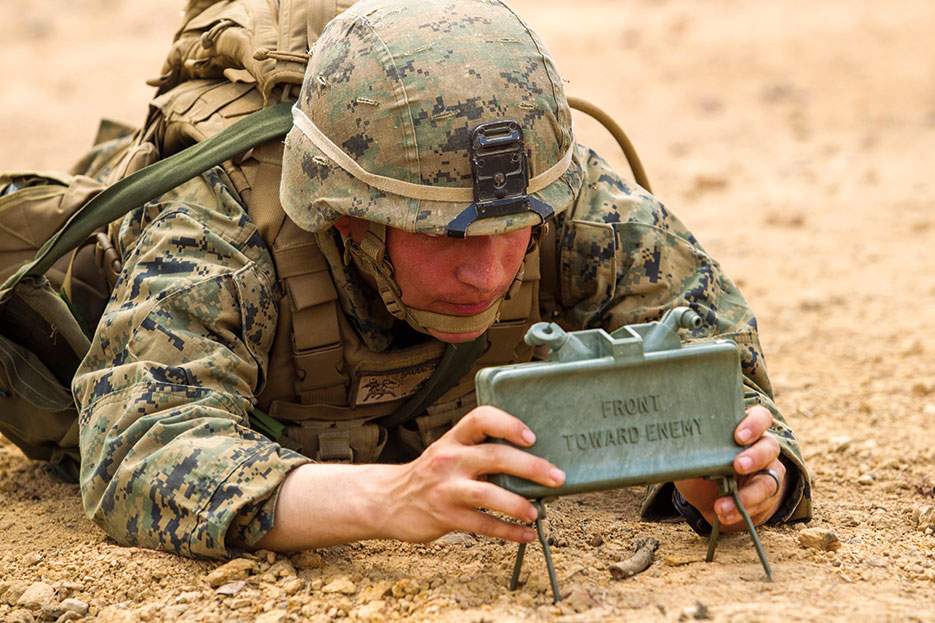
You could paint it olive drab and stencil FRONT TOWARD ENEMY on the grill.
Back in the 80's I used to stack my SVT cabinets sideways so I could jump up on top of them. But now I would have to slowly crawl on top of them, using a step ladder, and then have help getting back down, so it would be embarrassing.
Back in the 80's I used to stack my SVT cabinets sideways so I could jump up on top of them. But now I would have to slowly crawl on top of them, using a step ladder, and then have help getting back down, so it would be embarrassing.
Last edited:

So that you can stack another 8x10 on top of it and UNLEASH 16 SPEAKERS WORTH OF FURY!!!!!!!!
Back in the day, I had two 8x10" stacks. The sound was monstrous! Of course, that was way before the modern advancements of sound technology.
Why would you stack if you had 2x 8x10s when you could put them side-by-side?
Re: your quoted comment and my comment, directly above.
I used to put mine on opposite sides of the stage. We were a trio and it helped to get some nice even sound (before we could afford really good sound equipment).


